

What Is Hard Water and Why Does It Matter in Archdale, NC?
Hard water refers to water with elevated levels of dissolved minerals, mainly calcium and magnesium. In Archdale, NC, local geology can contribute to increased mineral content in municipal and well water supplies. Many households in the community experience hard water to varying degrees, though some may not realize the impact until plumbing issues arise.
How Do Hard Water Minerals Affect Pipes and Fixtures?
Minerals in hard water gradually build up inside pipes and on plumbing fixtures. This scale, known as limescale, slowly coats the interior surfaces of pipes, faucets, showerheads, water heaters, and appliances that use water.
- The most noticeable effect is restricted water flow due to narrowed pipes.
- Over time, faucets and showerheads can become visibly crusted or clogged, reducing spray or stream.
- Scale buildup inside water heaters forces them to work harder, reducing efficiency and potentially shortening lifespan.
In Archdale homes where water heaters are used year-round and bathrooms see frequent use, these effects can accumulate more quickly.
Does Hard Water Damage Plumbing Materials?
Both metal and plastic pipes can be affected, although the symptoms differ:
- Copper and steel pipes are susceptible to internal mineral scale. Over years, scale can contribute to corrosion or weaken the pipe walls.
- In plastic piping, scale buildup still occurs but doesn’t react with the pipe material. The primary concern is reduced diameter and lower water pressure.
Fixtures made of chrome or other metals often show white or greenish spots where water evaporates. These spots are mineral deposits and can usually be cleaned, but frequent buildup may lead to pitting or corrosion of the fixture surface if left unchecked.
Can Hard Water Cause Appliance Problems in Local Homes?
Yes, appliances that heat or use water are particularly vulnerable:
- Water heaters gather sediment from hard water quicker than from soft water, impacting their efficiency and increasing energy cost.
- Dishwashers and washing machines can accumulate scale on internal parts, reducing cleaning effectiveness and potentially shortening the appliance’s functionality.
- Coffee makers, kettle heating elements, and ice makers may clog or require descaling more often.
These issues are not just cosmetic—sediment buildup impacts utility bills and may require premature replacement of household equipment.
What Are Common Signs of Hard Water Problems?
Local residents often notice these symptoms before realizing they relate to water hardness:
- Laundry feels rough, looks dull, or comes out stiff after washing.
- Glassware and dishes have spots or a filmy appearance even after cleaning.
- Low water pressure in showers or slower filling sinks and tubs.
- Sudden changes in water heater noise or a reduction in hot water supply.
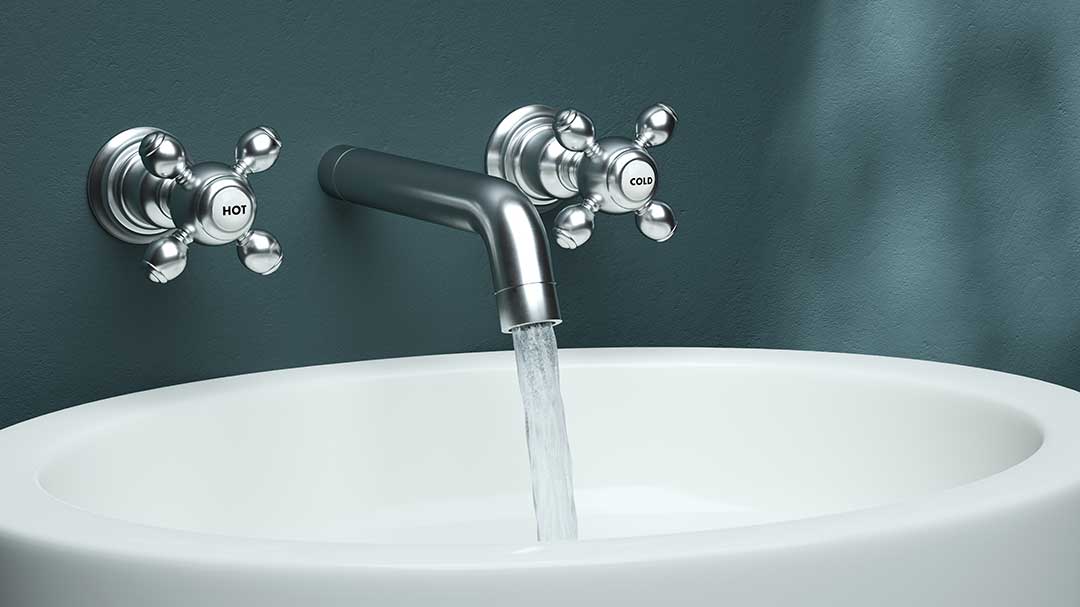
Sometimes, visible limescale or residue around faucets indicates the issue; other times, the effects are gradual, such as declining appliance efficiency.
Are There Local Factors That Make Hard Water More Noticeable?
In Archdale, seasonal rainfall patterns and reliance on groundwater can cause fluctuations in water hardness. Well users may experience higher mineral content after periods of heavy rain or drought. The age of plumbing infrastructure in certain neighborhoods can also interact with hard water, making mineral deposits more of a concern in older houses with original piping.
Do Common Plumbing Myths About Hard Water Hold Up?
Area homeowners sometimes believe that softening water will corrode pipes or that only old pipes develop scale. In reality:
- Modern water softeners are specifically designed not to corrode pipes when used appropriately.
- Scale can affect pipes and appliances of any age; newer homes are not immune if their water is hard.
- Some assume monthly cleaning is enough to prevent buildup, but scale forms inside pipes and appliances where it isn’t easily seen or removed with regular cleaning.
How Can Residents Minimize the Impact of Hard Water?
While extreme solutions aren’t always required, being proactive helps keep plumbing in good shape:
- Regular cleaning of faucet aerators and showerheads can control visible buildup.
- Flushing water heaters periodically (according to manufacturer recommendations) helps remove sediment before it accumulates.
- Spot cleaning surfaces with white vinegar or a descaling product removes mineral spots and prolongs fixture life.
- Households can have water tested to understand their exact hardness levels; this guides more targeted maintenance and helps homeowners choose cleaning protocols that fit their plumbing and appliances.
- If severe buildup is suspected inside pipes or water heater tanks, consultation with a licensed plumber is recommended to prevent major failures or safety risks.
By staying aware of water quality and maintaining plumbing and appliances, residents in Archdale can minimize the effects of hard water and help their home systems last longer.