

Why Isn’t the Toilet Flushing as It Should?
A toilet that struggles to flush—or doesn’t flush at all—is a routine inconvenience in Archdale, NC homes. This typically signals a problem with water flow, blockages, or internal tank components. A straightforward diagnosis is the best first step, as many issues can be resolved with simple checks before considering more extensive repairs.
Is There Enough Water in the Tank?
Most toilets need a full tank of water to create the pressure required for a strong flush. If the tank doesn’t refill properly, the flush will be weak or incomplete.
- Check the water level inside the tank: It should sit about an inch below the overflow tube.
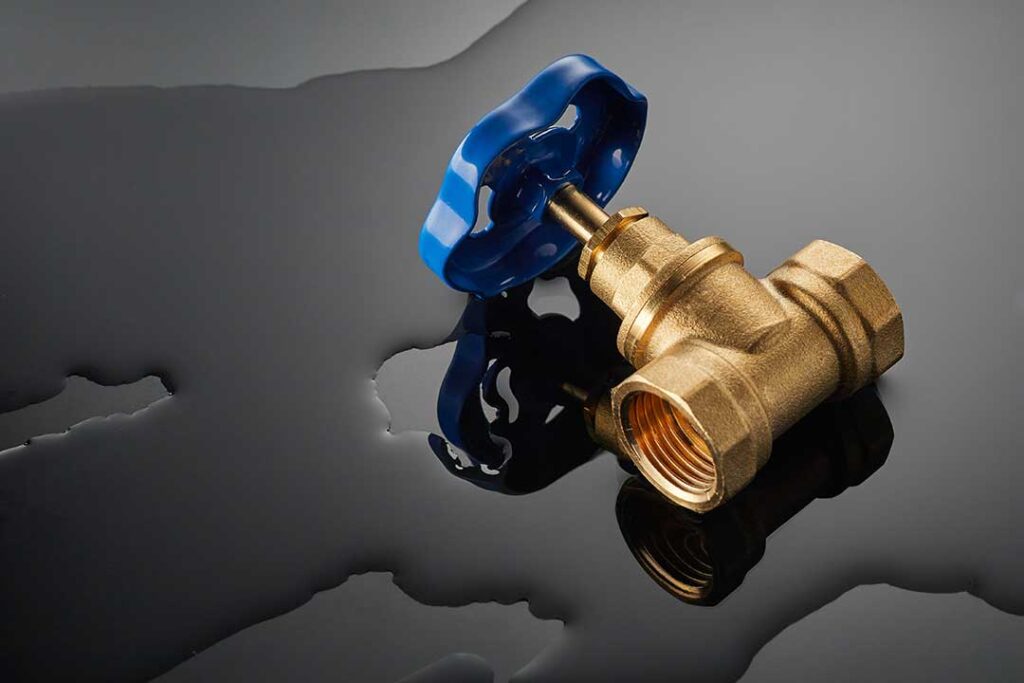
- If the supply valve isn't fully open or local water pressure temporarily dips (sometimes common when several homes are using water at once, such as during morning routines in area neighborhoods), the tank may take longer to fill.
- In older homes around Archdale, mineral buildup in the tank’s inlet valve can slow refilling, especially with the area’s frequent hot, humid summers aiding mineralization.
Adjust the float or inspect the fill valve if the tank often fails to refill all the way.
Could a Part Inside the Tank Be Failing?
Mechanisms inside the toilet tank sometimes wear out or slip out of place, causing flushing problems. Residents may notice:
- A flapper that doesn’t lift fully or doesn’t seal tightly, resulting in a weak flush or water constantly running into the bowl.
- A loose or disconnected chain, preventing the flapper from opening when the handle is pressed.
- Fill valves that become noisy or slow with age, particularly after years of well water use, which can impact plumbing components in Archdale homes.
Replacing these parts is generally straightforward, but use care to match the size and style compatible with your specific toilet.
Is There a Blockage in the Trap or Drain?
One of the most common causes—especially in households with young children or older fixtures—are clogs in the trapway or drainpipe. Fast fixes often include:
- Using a plunger to clear simple obstructions. Many homes in the community have toilets with a classic curved trap, prone to catching excess toilet paper, wipes, or small dropped items.
- Being extra cautious in older homes, as pipes may have narrower bends or rougher surfaces that catch materials easily.
- Avoiding overuse of chemical drain cleaners. These can damage seals and connections common in toilets installed before the 2000s.
For persistent clogs, a closet auger—a tool designed for toilets—can reach further into the drain without causing pipe damage.
Are There Issues With Toilet Paper or Other Materials?
Flushing large amounts of toilet paper, wipes labeled as "flushable", paper towels, or feminine hygiene products often leads to partial or total clogs. In Archdale, some households still have plumbing lines from previous decades that are less tolerant of modern paper habits.
Try using less paper with each flush, and remind everyone in the home to limit what goes into the toilet. Even “flushable” wipes rarely break down completely in local sewer or septic systems.
Could Low Water Pressure Be a Factor?
Occasionally, area residents notice multiple plumbing fixtures losing pressure at the same time. This might be due to utility line maintenance, local hydrant use, or an internal leak in the supply line entering the house.
- If sinks and showers also show reduced pressure, a main line issue could be at play.
- If only the toilet is affected, mineral buildup or a defective shut-off valve near the base of the toilet might reduce the supply just to that fixture.
In such situations, inspecting the home’s water meter or main supply line—especially in homes with older galvanized pipes—can help identify broader plumbing issues.
What If Nothing Seems Wrong but the Toilet Still Won’t Flush?
At times, toilets may seem unobstructed, tank parts appear intact, and water supply is adequate—yet flushing is sluggish. Possible explanations include:
- Air vent blockages: Each toilet is connected to a vent stack (often on the roof). Leaves, bird nests, or seasonal debris can clog these vents, preventing air from entering the pipes and slowing drainage. This can happen during windy months when local trees are shedding.
- Cracked or sealed-over vent pipes are occasionally found in home remodels, particularly if previous renovations bypassed proper venting.
A blocked vent can cause slow-flushing toilets or gurgling sounds in nearby drains.
Do Local Plumbing Codes or Septic Systems Affect Toilet Performance?
Some properties in Archdale rely on septic systems rather than municipal sewer. If a septic tank becomes too full or its outlet line fails, toilets may struggle to flush or drain very slowly. Warning signs include backup in multiple fixtures, water pooling in the yard where the tank is buried, or foul odors around the property.
Following regular septic maintenance routines—such as scheduled pump-outs—helps prevent these issues from arising and keeps toilets functioning smoothly for area households.