

Freezing temperatures can damage outdoor faucets, exposed pipes, irrigation lines, and backflow devices. In Archdale, NC, winter weather can shift quickly between mild afternoons and hard freezes, so preparation should be completed before the first sustained cold spell rather than after a forecasted freeze is already underway.
Which outdoor plumbing parts need winter protection?
Any water-filled component exposed to freezing air can be damaged. Common trouble spots include:
- Hose bibs and outdoor faucets
- Garden hoses and hose reels
- Exposed supply pipes
- Irrigation and sprinkler systems
- Outdoor showers
- Pool and hot tub plumbing
- Backflow preventers
- Exterior water filters or utility connections
- Plumbing in detached garages, sheds, crawl spaces, and unheated additions
The greatest risk occurs when water freezes inside a confined space. Ice expands, creating pressure that may split a pipe or damage the faucet body. The leak may not become visible until temperatures rise and the frozen section thaws.
What should be done with garden hoses?
Remove every garden hose from its outdoor faucet before freezing weather arrives. A hose left attached can trap water inside the faucet and connected pipe, even when the faucet itself appears to be turned off.
After removing the hose:
- Drain the hose completely.
- Coil it without sharp bends or kinks.
- Store it in a sheltered location away from standing water.
- Empty hose reels, spray nozzles, and quick-connect fittings.
- Avoid leaving hoses exposed to repeated freezing and thawing.
A frost-resistant faucet can still be damaged if a hose, splitter, timer, or other attachment prevents water from draining properly.
How should outdoor faucets be winterized?
Start by turning off the interior shutoff valve that supplies the outdoor faucet, if one is installed. The valve may be near the ceiling, floor, water heater, crawl-space entrance, or the point where the pipe passes through the foundation.
Once the interior valve is closed:
1. Open the outdoor faucet.
2. Leave it open long enough for trapped water to drain.
3. If a small bleeder cap is present on the shutoff valve, place a container underneath and open the cap carefully.
4. Close the bleeder cap after drainage is complete.
5. Confirm that the outdoor faucet is not still receiving water.
Do not rely only on the outdoor handle. Turning off the faucet does not remove water from the pipe leading to it.
If there is no interior shutoff, an insulated faucet cover can reduce exposure to cold air, but it does not replace proper drainage. Covers are most useful after the supply line has been shut off and emptied.
Are frost-free faucets completely freeze-proof?
No. Frost-free faucets are designed to drain the water from the portion exposed to outdoor temperatures when installed correctly and operated properly. They can still freeze if:
- The faucet slopes incorrectly and cannot drain.
- A hose or attachment remains connected.
- The interior pipe is exposed to cold air.
- The faucet body is damaged.
- Insulation blocks the drainage path.
- The home experiences an unusually prolonged freeze.
Check that the faucet points slightly downward and does not retain water. Avoid wrapping it tightly with materials that could trap moisture or interfere with drainage.
How can exposed water pipes be protected?
Exposed pipes should be insulated before freezing weather, especially pipes running along exterior walls, beneath raised floors, through crawl spaces, or inside unheated structures. Foam pipe insulation can reduce heat loss, but it does not create heat by itself.
Before insulating, inspect the pipe for existing leaks, corrosion, or damaged fittings. Insulation should fit snugly and remain dry. Pay special attention to joints, valves, and areas where cold air enters through gaps.
Do not use an open flame, torch, or improvised heating method near plumbing. If supplemental heat is needed in a vulnerable area, use only equipment designed for that purpose and follow its safety instructions. Never leave portable heaters unattended or place them near combustible materials.
Sealing air leaks around pipe penetrations can also help. Gaps near foundations, sill plates, doors, and crawl-space access panels may allow cold air to reach plumbing more quickly than expected.
What should homeowners do with irrigation systems?
Above-ground sprinkler components should be disconnected, drained, and stored. Underground irrigation systems typically require a separate winterization process because water may remain in supply lines, valves, and sprinkler heads.
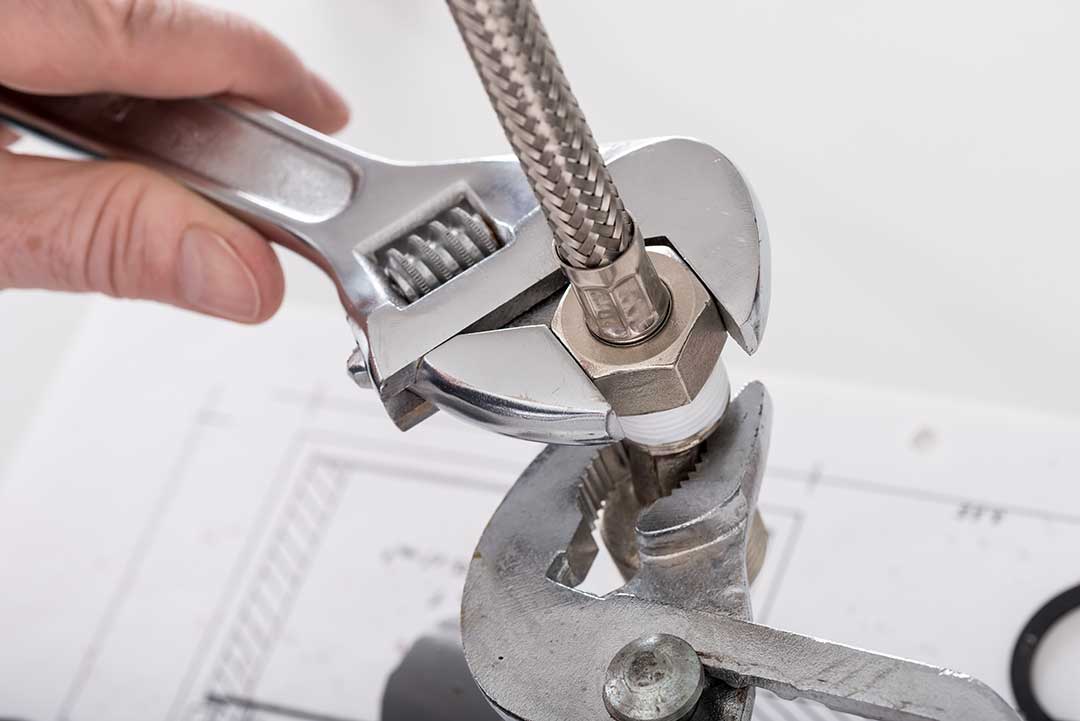
Common steps include:
- Shut off the irrigation water supply.
- Turn off automatic schedules.
- Drain accessible sections.
- Open drain valves where installed.
- Protect backflow preventers according to their design.
- Use compressed air only with suitable equipment and safe pressure limits.
Improperly using compressed air can damage valves, sprinkler heads, or fittings. Some systems have multiple zones and low points where water collects, so simply opening one drain may not empty the entire system.
How should outdoor plumbing be handled during a short freeze?
For a brief freeze, opening cabinet doors around indoor plumbing on exterior walls can allow warmer household air to circulate. If local conditions are unusually cold, a small stream of water may reduce the chance of freezing in vulnerable indoor lines, but this should be used carefully because it wastes water and does not protect outdoor pipes that have not been drained.
Keep garage doors closed as much as possible, especially if plumbing passes through the garage. Make sure crawl-space access panels and exterior doors close securely.
If a property will be vacant during freezing weather, shut off the main water supply when practical and drain indoor and outdoor plumbing as thoroughly as possible. Toilets, water heaters, washing machines, and other fixtures may require additional steps.
What should be done if a pipe appears frozen?
If a faucet produces little or no water during freezing conditions, assume a pipe may be frozen. Turn off the water supply to that section or the main shutoff if the location of the blockage is unclear.
Thaw the pipe gradually with warm air from a hair dryer or similar low-temperature source. Start near the faucet and work toward the frozen area. Keep the faucet open so pressure can escape as ice melts.
Never use a torch, open flame, charcoal heater, or boiling water. These methods can start a fire, damage the pipe, or create sudden thermal stress. Watch carefully for leaks as thawing occurs, because a split may begin releasing water immediately.
If a pipe has burst, shut off the main water supply and electricity near standing water if it can be done safely. Avoid entering flooded areas with electrical equipment.
What are the most common winterization mistakes?
Several simple oversights cause preventable damage:
- Leaving a hose attached to an outdoor faucet
- Insulating a pipe without shutting off and draining the water
- Assuming a frost-free faucet cannot freeze
- Forgetting irrigation backflow equipment
- Ignoring plumbing in an unheated garage or crawl space
- Using a torch to thaw a frozen pipe
- Failing to locate the home’s main water shutoff before cold weather
- Restarting irrigation schedules during freezing conditions
A short inspection before winter can reveal loose faucet connections, missing insulation, dripping valves, and exposed pipe sections. In homes with older plumbing or inaccessible lines, preparation should be completed well before freezing temperatures are expected.