


Energy-efficient plumbing fixtures reduce water use without requiring major changes to daily routines. They can also reduce the energy needed to heat water, which matters in homes where showers, bathroom sinks, kitchen fixtures, and laundry equipment account for a large share of household water use.
What makes a plumbing fixture energy-efficient?
An energy-efficient plumbing fixture controls how much water passes through it while maintaining useful pressure and performance. The energy savings come from using less hot water, not from the fixture producing energy on its own.
For example, a lower-flow showerhead may use less water per minute. If the water is heated by an electric, gas, or heat-pump water heater, reducing hot-water demand also reduces the work required from that equipment.
Common efficient fixtures include:
- High-efficiency toilets
- Water-saving showerheads
- Bathroom faucets with controlled flow
- Kitchen faucets with suitable aerators
- Pressure-balancing or thermostatic shower valves
- Efficient hot-water delivery components
- Leak-resistant valves, flappers, and faucet cartridges
The most useful efficiency improvements usually combine fixture selection with leak control, reasonable water-use habits, and proper maintenance.
How much water does a high-efficiency toilet use?
A WaterSense-labeled toilet uses no more than 1.28 gallons per flush while meeting performance standards for waste removal. Older toilets may use 3.5 gallons or more per flush, and some pre-1990 models use considerably more.
Replacing an older toilet can reduce water consumption, particularly in homes with several occupants. A toilet used multiple times each day can account for a substantial portion of indoor water use.
Dual-flush toilets offer two flush options, but the label alone does not guarantee superior performance. A well-designed single-flush toilet can be highly efficient as well. When comparing models, look for:
- A recognized efficiency label
- Strong waste-removal performance
- A properly sized flush valve
- Replacement parts that are readily available
- A bowl shape that is easy to clean
Repeated clogging is not an unavoidable feature of efficient toilets. However, performance can vary among models, and a toilet must be installed correctly and supplied with adequate water pressure.
Are low-flow showerheads comfortable to use?
Modern low-flow showerheads can provide a comfortable shower while using no more than 2.0 gallons per minute. Older showerheads commonly use 2.5 gallons per minute or more, while some older homes may still have fixtures with significantly higher flow rates.
The quality of the spray depends on more than the flow rating. Internal channels, spray patterns, pressure, and mineral buildup all affect the experience. In areas with hard-water deposits, mineral accumulation can restrict spray openings and make an efficient showerhead seem weak.
Before replacing a showerhead, check whether the existing fixture is clogged with scale. Cleaning may restore performance. If replacement is appropriate, choose a model designed to maintain coverage at lower flow rather than simply installing the most restrictive fixture available.
Low-flow does not mean no-flow. A fixture that provides too little water for the household may encourage longer showers, which can reduce or eliminate the expected savings.
What faucet flow rate is appropriate?
WaterSense-labeled bathroom faucets and faucet accessories generally use no more than 1.5 gallons per minute. This is sufficient for handwashing, brushing teeth, and ordinary bathroom cleaning in most homes.
Kitchen faucets have different demands. Filling pots, rinsing food, and washing dishes may require a stronger stream, so kitchen faucet flow rates are commonly higher than bathroom faucet rates. A flow range around 1.5 to 1.8 gallons per minute can provide a practical balance for many households.
A faucet aerator is a small component attached to the end of the spout. It mixes air with water and shapes the stream. Replacing an outdated aerator can improve efficiency without replacing the entire faucet.
Residents should avoid removing an aerator to increase flow unless there is a specific plumbing problem to investigate. A weak stream may result from:
- A clogged aerator
- A partially closed shutoff valve
- Sediment in the faucet cartridge
- Mineral deposits
- Low household water pressure
- A problem elsewhere in the plumbing system
Increasing flow does not correct the underlying cause and may increase hot-water use.
How do efficient fixtures save energy?
Water savings and energy savings are connected whenever the water is heated. Every gallon of hot water requires energy to raise its temperature and deliver it to the fixture.
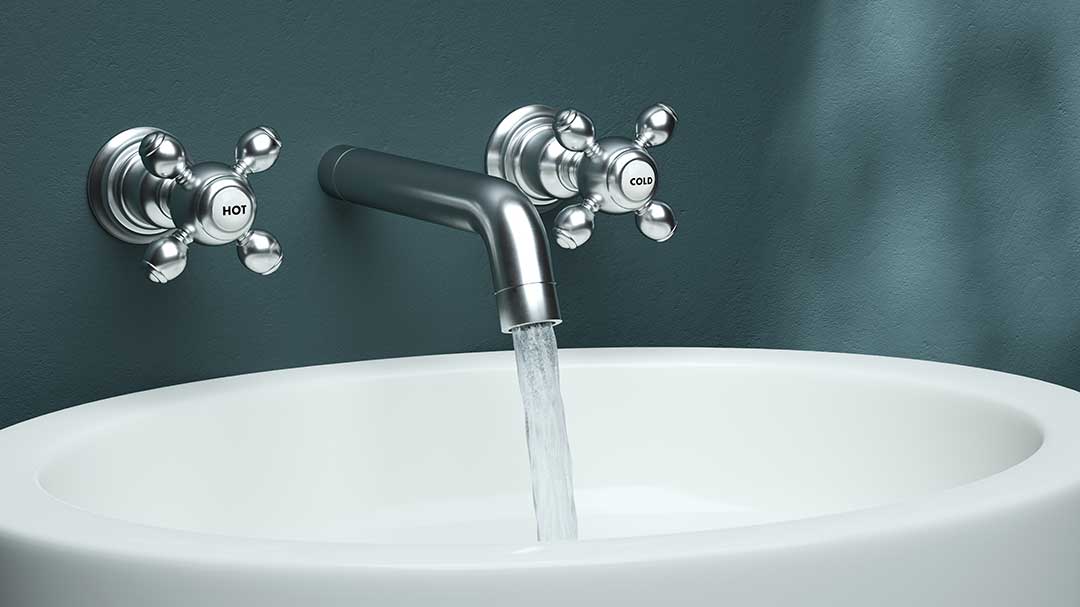
A lower-flow showerhead reduces both the amount of water used during a shower and the amount of water the heater must warm. A bathroom faucet used mostly with cold water may provide less direct energy savings, but it still reduces water consumption and may reduce pumping and treatment demand.
The savings are greater when efficient fixtures are combined with:
- Properly insulated hot-water pipes
- A water heater set to a safe, practical temperature
- Shorter waits for hot water to reach distant fixtures
- Repair of dripping faucets and running toilets
- Full loads in dishwashers and washing machines
- Reduced use of unnecessary hot-water cycles
A fixture cannot solve excessive heat loss from poorly insulated pipes or a water heater that is oversized, under-maintained, or nearing the end of its service life.
What local conditions should Archdale households consider?
Homes in Archdale may include older housing with original toilets, aging faucet valves, galvanized piping, or several layers of past plumbing repairs. In these homes, changing a fixture may reveal worn shutoff valves, brittle supply connections, or mineral deposits.
Seasonal temperature changes also affect household plumbing habits. During colder weather, residents may use more hot water for bathing, handwashing, and cleaning. Efficient fixtures can help control demand, but exposed pipes and exterior hose connections still need protection during freezes.
Water pressure should also be considered. A fixture designed for efficient performance may work well at normal pressure but feel inadequate if the home already has restricted flow. Checking the condition of the supply piping and valves is often more useful than selecting an unusually low-flow fixture.
North Carolina plumbing requirements establish maximum flow rates and flush volumes for plumbing fixtures. Product labeling and installation instructions should be reviewed before replacing fixtures, especially during remodeling or additions.
Do efficient fixtures require special maintenance?
Most efficient fixtures require ordinary maintenance rather than special treatment. Keeping aerators and showerhead openings clear helps preserve flow. Toilet flappers, fill valves, and flush handles should be checked when a toilet runs after flushing.
A simple toilet leak test can reveal silent water loss. Add a few drops of food coloring to the tank without flushing. If colored water appears in the bowl after several minutes, the flapper or another tank component may be leaking.
Dripping faucets should not be ignored. A slow drip wastes water continuously, and a hot-water drip also wastes the energy used to heat that water. Under-sink connections, toilet bases, and supply lines should be checked periodically for moisture, staining, or cabinet damage.
Which fixture should be upgraded first?
The best starting point depends on the home’s existing fixtures and usage patterns.
- Replace a constantly running toilet before upgrading a fixture that already works efficiently.
- Consider a high-efficiency toilet if an older model uses several gallons per flush.
- Choose a WaterSense-labeled showerhead if showers are a major source of hot-water use.
- Replace bathroom aerators when flow is excessive or the existing parts are damaged.
- Select a kitchen aerator that preserves enough flow for food preparation.
- Address leaks, mineral buildup, or pressure problems before judging a fixture’s performance.
Efficient plumbing works best when water reduction does not create new problems. The practical goal is controlled flow, dependable performance, and less unnecessary hot-water use—not simply the lowest number printed on a package.