


Why Does Mold Often Appear Near Pipes?
Mold is commonly found near pipes because moisture provides the ideal environment for mold spores to thrive. Pipes in homes—especially in older houses or in areas like basements, crawl spaces, or behind walls—can sweat, drip, or leak. When warm, humid indoor air typical in Archdale combines with a hidden slow leak, mold has everything it needs to grow.
In the city, shifts in seasonal humidity and heavy rainfall can stress plumbing joints or cause condensation. Many local homes have tight crawl spaces or unfinished basements, making them more prone to hidden plumbing leaks that aren’t spotted right away. Residents may first notice a musty smell, discoloration on drywall, or fuzzy patches in damp areas.
Is Mold Growing Near Pipes Dangerous?
Small amounts of mold are common around plumbing, but visible patches or persistent dampness can signal a bigger problem. Most household mold is not immediately toxic, but it can cause irritating symptoms, especially for young children, seniors, or anyone with allergies, asthma, or respiratory sensitivities.
Mold contamination can also indicate more serious water damage to building materials. Over time, unchecked moisture can weaken wood framing, rot subfloors, and create broader structural concerns. While not all mold is hazardous, large or fast-spreading colonies near pipes should be addressed promptly to protect indoor air quality and home integrity.
What Steps Should Residents Take First?
If you spot mold near pipes in your home, start with these cautious steps before attempting cleanup or repairs:
- Avoid disturbing moldy surfaces, which can release spores into the air.
- Turn off any nearby fans or HVAC vents to reduce spread.
- Inspect the area for active leaks or puddles.
- Take clear photos for reference, especially if dealing with repeat moisture issues.
- Ventilate the area by opening a window or using an exhaust fan, if possible and safe.
- Use gloves and a simple dust mask if you need to be close to the moldy site.
In Archdale’s climate, brief and targeted ventilation (like a few minutes with a window open) is helpful, but avoid keeping moisture-prone areas open too long during rainy periods.
Can Small Areas of Mold Be Cleaned Safely at Home?
For minor mold growth—no more than about ten square feet—homeowners can carefully clean hard, non-porous surfaces using household supplies:
- Mix a solution of detergent and water or use diluted white vinegar.
- Apply with sponges or disposable cloths—never dry-scrub.
- Rinse thoroughly and dry the area completely.
- Discard used cleaning supplies in a sealed bag.
However, if mold is present on drywall, insulation, or wood that appears soft or rotten, avoid heavy cleaning. These materials can trap spores and water, and may require more involved repair or replacement.
When Should Professional Help Be Considered?
Seeking outside help is wise when:
- The moldy area is larger than a few square feet.
- The source of water or leak cannot be easily identified or stopped.
- There is visible mold in HVAC ducts, within walls, or on extensive surfaces.
- Household members experience persistent health symptoms.
- There’s mold related to sewage leaks or contaminated water.
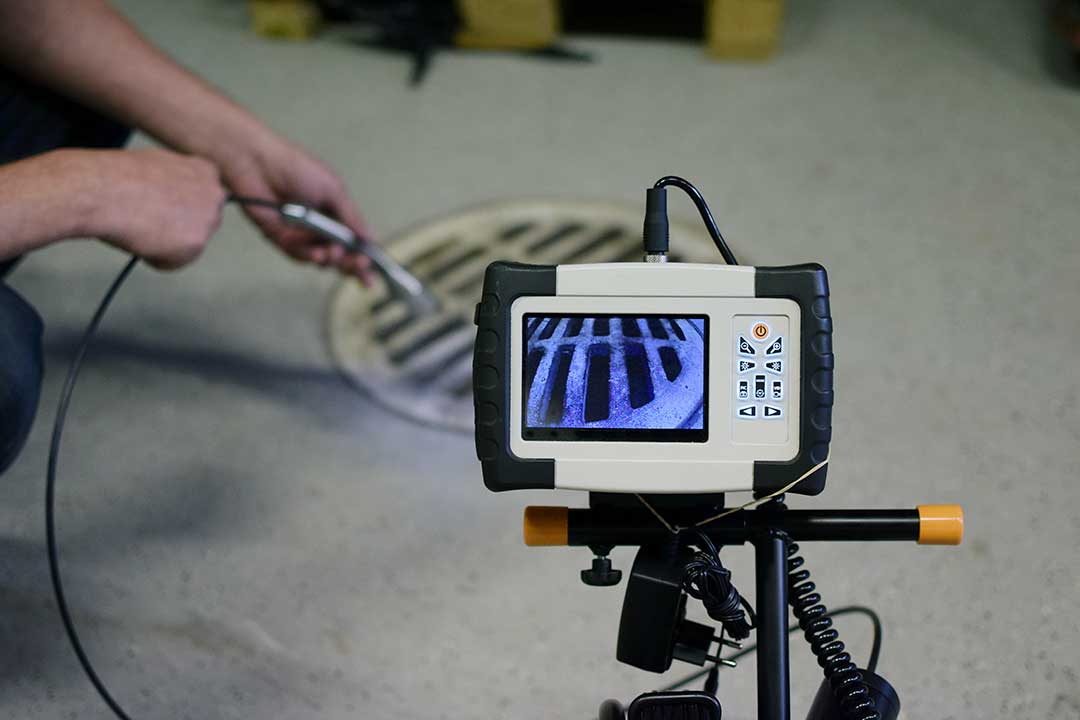
In these situations, licensed remediation or plumbing professionals may be required to ensure thorough cleanup according to public health guidelines.
How Can Archdale Households Prevent Mold Around Pipes?
Prevention is often simpler than remediation. City residents can use these strategies to protect homes from recurring issues:
- Check under sinks, behind appliances, and in basements seasonally for wet spots.
- Insulate cold pipes to prevent condensation—especially in crawl spaces.
- Repair or upgrade aging plumbing components promptly after leaks are found.
- Use dehumidifiers in damp-prone areas, particularly in summer or after heavy storms.
- Regularly clear debris around outdoor vents and foundation vents to maintain airflow.
Because Archdale experiences humid summers and periodic heavy rainfall, moisture management throughout the year is key. Stay attentive following storms, and dry out any leaks within 24-48 hours to help prevent mold from taking hold.
Are There Local Regulations or Resources to Help?
There are no special local codes in Archdale specific to mold cleanup in private homes, but following North Carolina Department of Health and Human Services guidance is recommended. Homeowner insurance policies may also cover water damage or mold remediation under certain circumstances. If mold results from a municipal water main issue or public infrastructure failure, residents can inquire with city public works for support or further information.
Common Misunderstandings About Mold and Pipes
- Bleach isn’t always required: For many non-porous surfaces, soap and water or vinegar is effective.
- Painting over mold is not a solution; hidden moisture will allow it to return.
- Mold can grow in cold areas as long as there is moisture, not just in warm temperatures.
Finally, even in well-maintained homes, a single plumbing leak can lead to a moldy surprise. Checking moisture-prone areas a few times a year can go a long way toward keeping your home healthy and comfortable—especially given the moisture challenges the community faces throughout the seasons.