

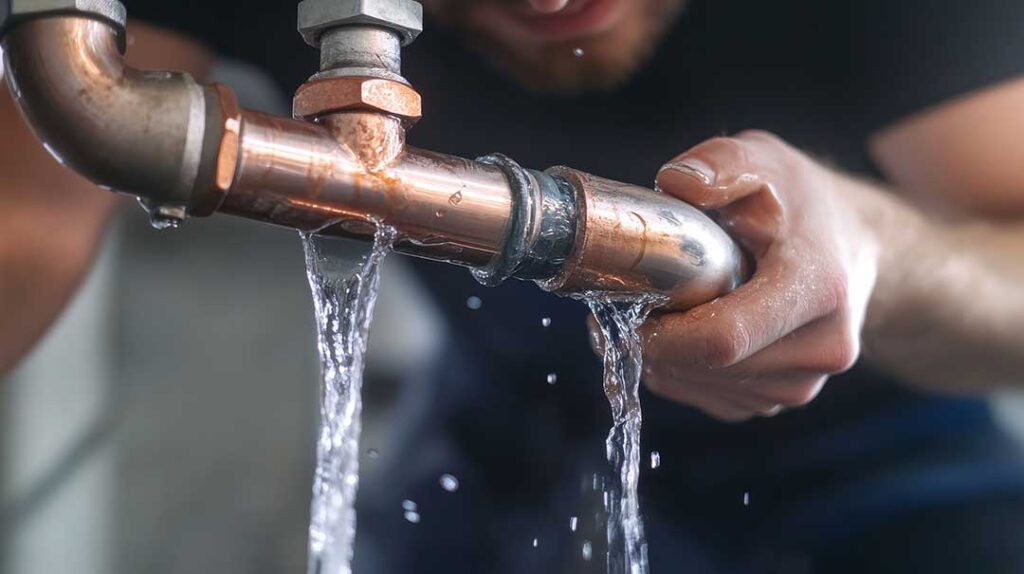
Why Plumbing Inspections Matter in Archdale, NC
Year-round temperature fluctuations, clay-heavy soils, and varying rainfall patterns in Archdale mean residential plumbing systems can face unique stresses. Regular checks help prevent small issues from turning into disruptive leaks or costly repairs. In an area where many homes use both newer and decades-old pipes, consistent attention is especially valuable for protecting property and water quality.
How Frequently Should Plumbing Be Inspected?
Most homeowners in Archdale should visually check accessible plumbing twice a year—once in the spring and once before winter. A more thorough system-wide inspection is advisable roughly every two years for homes under 20 years old, and annually for older properties.
Seasonal checks catch common issues, such as pipe sweating during muggy summers and pipe stress during winter freezes. Regular inspections can also alert residents to mineral build-up, changing water pressure, or unknown leaks tied to local water supply variations.
What Should Residents Look For During a Routine Check?
It’s helpful to focus on key areas where problems tend to develop. During a home plumbing review, pay attention to:
- Exposed pipes (look for corrosion, discoloration, and drips)
- Sinks, tubs, and showers (check for slow drainage or pooling water)
- Around toilets (inspect for leaks at the base, continuous running, or tank noises)
- Basement, crawl space, or utility areas (signs of dampness or musty odors)
- Water heater (check for rusty water, damp spots, or strange noises)
Spot checks should be accompanied by monitoring water pressure and keeping an eye out for unexpected increases in the water bill, which often signal hidden leaks.
Why Is Timing Different for Older Homes?
Many houses in Archdale were built prior to the widespread use of modern PVC and PEX piping. Older metal pipes—galvanized steel or copper—are more prone to corrosion and internal sedimentation, especially in areas with hard water. Inspections should happen annually for homes with these materials, even if no visible issues are present.
Additionally, historic homes may have original supply lines or sewer connections that develop tree root intrusions or shifting due to soil movement. Regular attention is crucial for early detection and maintaining proper function.
Are There Seasonal Factors That Affect Plumbing in the Community?
Yes. Late fall and early winter in the city often bring freezing temperatures, which increase the risk of pipe bursts. Before temperatures drop, residents should:
- Insulate exposed pipes in unheated crawl spaces and attics
- Disconnect hoses and shut off exterior faucets, if possible
- Verify that shut-off valves and sump pumps function correctly
In the spring, heavy rain can impact sewer lines, especially in lower-lying neighborhoods or those with mature trees. After storms or during persistent wet periods, residents should check for slow drains or water pooling around basement floors.
What Problems Are Commonly Missed by Homeowners?
Some plumbing issues develop quietly or in less obvious places. These include:
- Small leaks under sinks or behind appliances, which can cause cabinet damage and foster mold
- Slow pinhole leaks in pipes within walls, sometimes only noticed through water stains or musty smells
- Backflow from clogged drains or overloaded sewer lines, particularly after heavy rain
- Mineral build-up at faucet aerators and showerheads, reducing water flow
Periodic checks, including running all taps and flushing rarely used toilets, help identify these subtle issues before they worsen.
How Does Water Quality in Archdale Influence Plumbing Health?
Local water supply composition impacts how quickly pipes develop scale or corrosion. Archdale’s water can have moderate mineral content in some areas, contributing to lime-scale inside pipes, water heaters, or fixtures. Residents may notice white buildup, reduced hot water capacity, or a need for frequent aerator cleaning. Testing tap water for hardness and regularly checking water heaters for sediment can help maintain equipment efficiency and extend plumbing system life.
When Does a Situation Require Immediate Professional Attention?
Residents should seek immediate help if they find:
- Sudden drops in water pressure that don’t resolve with fixture cleaning
- Backflow or sewage odors from drains (possible main line or venting issues)
- Persistent leaks that cannot be tightened or controlled
- Signs of pipe freezing during severe cold, as thawing pipes can burst unexpectedly
For most regular checks, attentive homeowners can effectively monitor and maintain their home plumbing. Emergency conditions, severe pipe damage, or issues with water quality affecting health should be escalated to qualified assistance.