

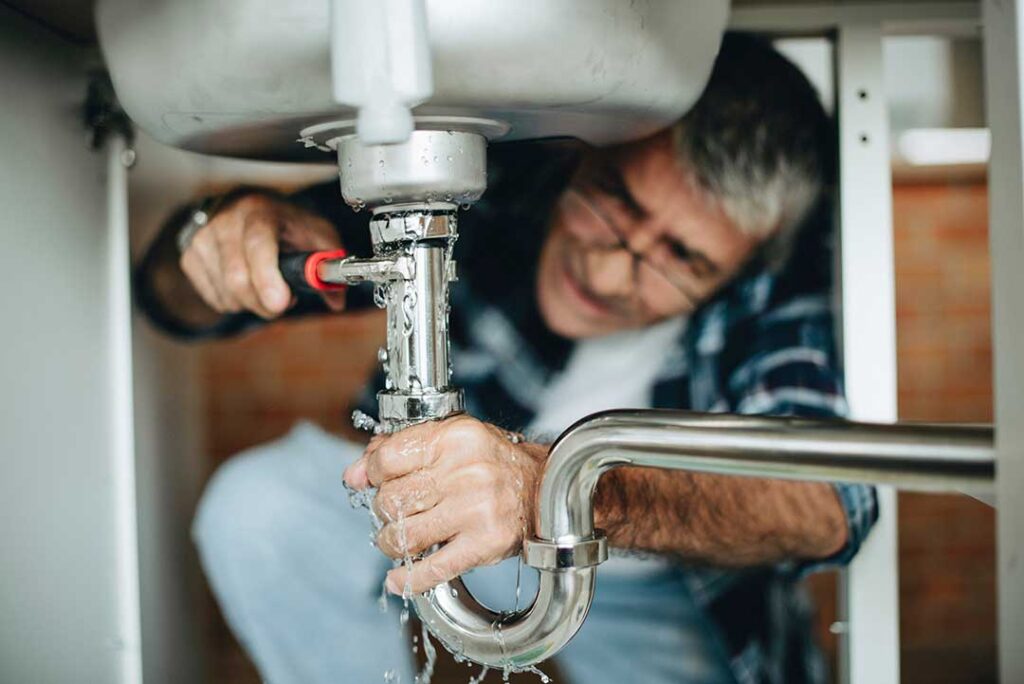
What Should You Try First if Your Sink Is Draining Slowly?
Start by clearing out anything visible in the sink basin or drain opening. Remove standing water with a cup or bowl, then check for debris around the drain. Often, hair, food scraps, or soap scum can get stuck close to the surface. Many local households in Archdale have found that cleaning out any easily accessible gunk is sometimes all it takes for water flow to improve.
Can Baking Soda and Vinegar Really Help Unclog a Sink?
Yes, this combination can help break up minor clogs in many cases. Here’s how it works:
- Pour about half a cup of baking soda down the drain.
- Follow with a cup of white vinegar.
- Cover the drain with a plug or damp cloth to contain the fizzy reaction.
- Wait 10–15 minutes as the mixture works on the clog.
- Flush the drain with hot (not boiling) water from a kettle.
This method is safe and avoids the use of harsh chemicals. For older homes in Archdale with older plumbing, it’s a gentler option that’s less likely to damage pipes than caustic cleaners.
When Should You Try a Plunger?
If homemade mixtures don’t fix the problem, a plunger designed for sinks can be useful. First, remove any drain stoppers. Then:
- Fill the sink with enough water to cover the plunger bell.
- Position the plunger over the drain and push down firmly, then pull up several times.
- Keep a tight seal between the plunger and the sink surface for best results.
Plunging can dislodge deeper clogs. This approach is especially effective for bathroom sinks where hair is often the culprit.
Is It Safe to Use Chemical Drain Cleaners in Area Homes?
Chemical products are widely available, but many Archdale residents prefer to avoid them. Frequent use can eventually weaken certain types of pipes, especially in older residences. Fumes and splashes also present safety risks. If you choose a chemical cleaner, use it sparingly, follow label instructions exactly, and make sure the space is well ventilated. Never mix chemical drain products, as dangerous reactions can result.
How Do You Use a Drain Snake for Stubborn Sink Clogs?
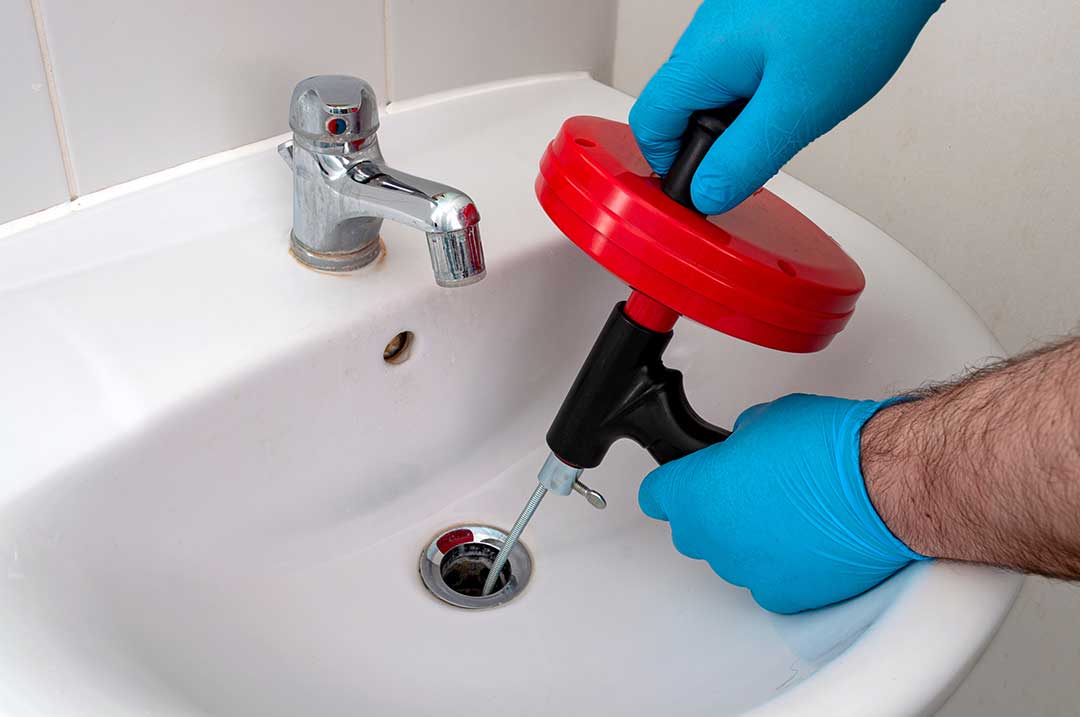
A drain snake or auger is a flexible tool that can physically break up or pull out blockages. To use one:
- Remove the drain cover or stopper.
- Gently insert the snake into the drain and turn the handle to move it forward.
- When you feel resistance, rotate the snake and continue pushing—you may snag hair, grease, or other debris.
- Retract the snake and dispose of any material caught, then run water to test the flow.
For most residential plumbing found in the city, a basic hand-crank model will suffice. Just be careful not to force the snake forcefully, as this can cause pipe damage.
What Causes Sink Clogs in Local Homes?
Common culprits in Archdale include:
- Cooking grease and oils, which solidify inside pipes
- Food scraps not caught by a strainer, especially in kitchen sinks
- Hair and soap buildup in bathroom sinks
- Hard water mineral deposits, which are more prevalent in some neighborhoods
Residents often overlook the impact of small items, like dental floss, cotton swabs, or kids’ toys, that occasionally find their way down drains.
How Can You Prevent Sinks from Clogging Again?
Simple habits can reduce future problems:
- Wipe cooking pans with a paper towel before washing to reduce grease in the pipes
- Use drain screens or stoppers to trap hair, food, and other debris
- Periodically pour hot (not boiling) water down the drain to clear away buildup
- Avoid flushing coffee grounds, eggshells, or fibrous food scraps down the kitchen sink
A little effort in routine care often saves area households from more serious plumbing issues, especially during heavy cooking or entertaining seasons.
Are There Times When You Should Avoid DIY Unclogging?
It’s best to avoid do-it-yourself methods if:
- You suspect a toy, jewelry, or hard object is lodged in the drain
- Multiple drains in the home are slow or backing up at the same time (this may indicate a larger blockage or sewer issue)
- There are signs of leaking under the sink or water damage
These conditions can mean the problem is more extensive than a simple clog and may involve risks to plumbing integrity or home safety.