

What Should You Do First if a Pipe Bursts at Home?
Turn off your main water supply immediately to stop further flooding. The shut-off valve is often located where the main water line enters your home—typically in a crawlspace, basement, garage, or utility closet. Acting quickly limits water damage and gives you time to address the issue safely.
If you’re unsure of the valve’s location, familiarize yourself with it during calm weather, especially before winter. For households in Archdale, older homes or those with crawlspaces may have less easily accessible shut-off points. If water is spraying near outlets or electrical panels, avoid entering wet areas and cut off the power at your circuit breaker.
How Can You Limit Water Damage Right Away?
After stopping the water flow, drain faucets by turning on all cold taps to relieve pressure in your pipes. This helps prevent additional ruptures. Open faucets starting at the lowest point in your house and move upward.
Soak up standing water promptly. Use towels, mops, and buckets to contain the spread, paying attention to floors, walls, and nearby furniture. During colder weather, indoor heat helps with drying but ensure good ventilation to discourage mold—open windows or set up fans if conditions allow.
Move valuables and electronics out of wet areas, and unroll area rugs to dry separately. Hard floors often withstand short-term water exposure better than carpets, which should be lifted if possible to prevent lingering moisture and odor.
Should You Try to Temporarily Repair the Pipe?
You can apply a temporary patch if the break is easily accessible and you feel safe doing so. Using pipe repair sleeves, heavy-duty tape, or even a tightly wrapped piece of rubber secured with hose clamps can help reduce immediate leaks. These solutions only hold for a short period and do not replace permanent repairs.
If you live in Archdale and experience freezing winter temperatures, allow indoor faucets to drip slightly after patching, which can prevent further freezing or pressure buildup.
When Is It Necessary to Involve Local Authorities or Services?
If the water could reach or affect electrical wiring, circuit panels, or appliances, shut off power in those areas. Fire departments in the community may respond if there’s immediate risk of electrical fire or safety hazard. For multi-unit buildings or condos, alert building management so shared systems are inspected and to prevent additional damage downstream.
Also, in cases where water leaks from municipal service lines outside your property or the public right-of-way (such as a broken water main at the curb), contact city public works to report the issue, as this may indicate a larger infrastructure problem.
What Are Common Causes of Pipe Bursts in Local Homes?
Locally, bursts often result from frozen pipes. Archdale residents should be aware that overnight lows below freezing, especially during uninsulated cold snaps, can quickly freeze water in pipes—commonly affecting pipes running through exterior walls, crawlspaces, and attics.
Other contributing factors include:
- Old or corroded pipes, especially in houses built decades ago before current plumbing codes
- High indoor water pressure placing excessive stress on joints or elbows
- Tree root intrusion for homes with aging underground service lines
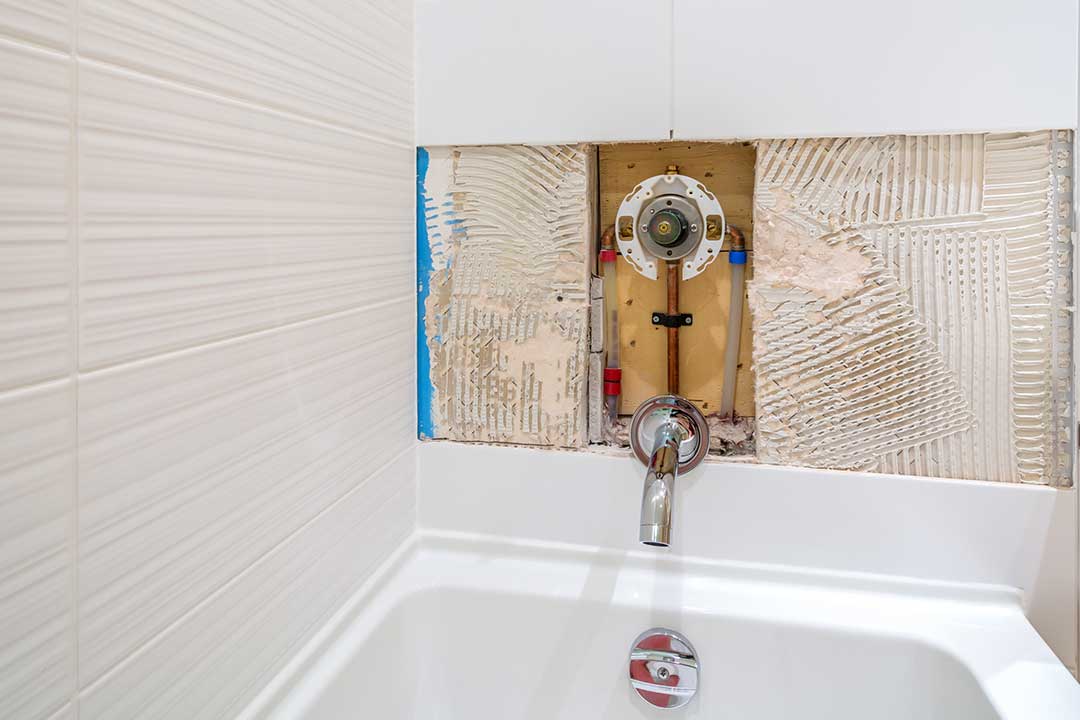
Regularly checking for signs of rust, low water pressure, or mysterious damp spots can help catch weaknesses before they become emergencies.
What Should You Do After Initial Cleanup?
Document the damage with photos before moving or disposing of anything. Many homeowners’ insurance policies in Archdale cover water damage from accidental pipe bursts, but effective claims often require evidence and prompt reporting. Keep receipts for any supplies or repairs you make during cleanup.
Begin drying out the space with fans or a dehumidifier as soon as possible to prevent mold. In the humid spring and fall months, inside moisture dries more slowly, so regularly check hidden corners, under floors, and behind walls for persistent dampness.
If the pipe is in a wall or ceiling, cut out wet drywall to allow full drying—even if damage seems minimal. Lingering moisture can cause mold growth or structural damage over time.
What Steps Prevent Future Bursts in the Community?
Short-term, insulate exposed or vulnerable pipes with foam sleeves, especially those running along exterior walls or in unheated areas. During winter cold snaps, keep cabinet doors open beneath sinks to allow warm air to circulate around plumbing. Set the thermostat to at least 55°F if leaving home for an extended period.
Long-term, periodic home plumbing inspections can reveal hidden risks. If your home has older galvanized or polybutylene pipes, consider updating to modern materials like PEX or copper, which better withstand pressure changes and temperature swings. Local plumbing codes also advise adding pressure-regulating valves if your system’s pressure often exceeds 60 psi.
Remember, community-wide awareness—such as checking on neighbors’ homes during extreme cold—helps protect everyone in the area from preventable water damage.