

Why Should Area Residents Flush a Water Heater?
Regularly flushing a residential water heater helps clear out sediment that naturally builds up inside the tank over time. In Archdale, NC, the local water supply often has moderate hardness, leading to mineral deposits that can collect at the bottom of water heaters. This sediment can reduce heating efficiency, shorten equipment lifespan, and affect hot water quality. Flushing the tank yearly—particularly ahead of heavy-use seasons—can prevent many of these problems for local households.
How Often Should You Flush a Water Heater in the Community?
Generally, once a year is recommended for most homes in the area. However, if water is particularly hard or appliances are older, some residents find benefit in flushing every six months. Signs that your tank might need attention sooner include:
- Reduced hot water supply or lukewarm temperatures
- Odd noises like popping or rumbling from the tank
- Rusty or cloudy water coming from hot taps
Checking with neighbors or a municipal water quality report can help confirm whether your part of the city is prone to sediment buildup.
What Are the Basic Steps to Flushing a Water Heater?
Flushing a tank is manageable for many local residents with standard plumbing tools. Here’s a step-by-step overview:
1. Turn Off the Water Heater
- For electric units, switch off the breaker.
- For gas units, set the thermostat to the pilot position.
2. Turn Off the Cold Water Supply
- Locate and close the cold water valve at the top of the heater.
3. Let the Water Cool
- Wait at least one hour; hot water can cause burns during draining.
4. Attach a Hose to the Drain Valve
- Place the other end of the hose in a floor drain, driveway, or safe outdoor area to prevent water damage.
5. Open the Drain Valve
- Open a hot water tap in your home to help air flow. Then, open the tank’s drain valve and let water flow out completely.
6. Flush with Cold Water
- Briefly reopen the cold water valve to help stir and push out remaining sediment. Repeat until water runs clear from the hose.
7. Restore the System
- Close the drain valve, remove the hose, reopen the cold water valve, and then turn the power or gas back on after the tank has refilled.
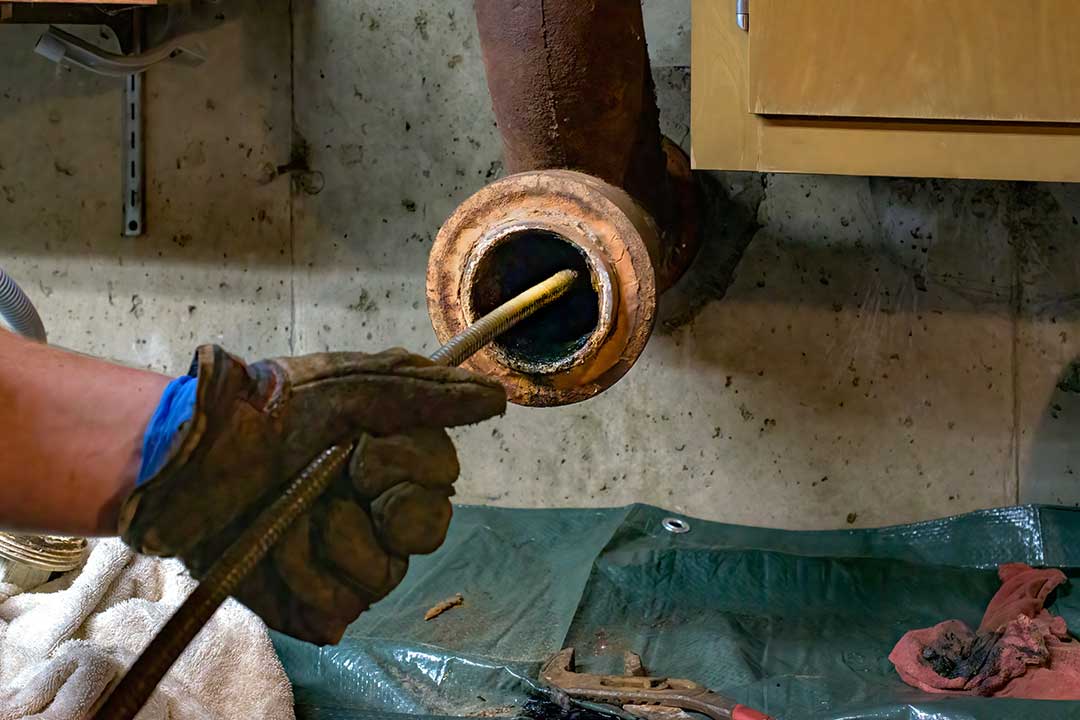
This process typically takes 1–2 hours and basic caution, but always check your heater’s manual for model-specific advice.
What Can Go Wrong During a Routine Flush?
Several problems can crop up during a do-it-yourself flush. For instance, older drain valves may be stuck or become leaky after use. If a valve will not budge, do not force it—replacing a broken valve is a more involved repair and might require professional help. Water that drains very slowly may signal a thick layer of sediment. In this case, gently prodding the sediment with a plastic wand (while the tank is empty and valves are off) can help.
If the water that drains out is excessively rusty, smells odd, or never clears after several flushes, it may hint at internal corrosion or more severe mineral buildup—both issues that could need expert diagnosis. Homeowners in the city sometimes mistake persistent cloudy water for normal sediment; however, cloudy hot water that doesn’t settle after flushing can be a sign of deeper tank problems.
Is Flushing Different for Gas and Electric Water Heaters?
The basic flushing approach is very similar for both types, but there are key differences:
- With electric water heaters, always turn off the circuit breaker before starting. Heating elements can be damaged if they’re on while the tank is drained.
- With gas heaters, set the thermostat to the lowest setting or pilot mode. Do not relight the burner until the tank is refilled.
- Controls for each type can vary; always review the labeling and instructions specific to your unit.
What Local Factors Should Households in Archdale Consider?
Area residents may notice more rapid sediment buildup following major municipal water work or after seasonal changes in water sources. Fall and spring are popular times for flushing, as these periods can coincide with shifts in local water distribution patterns. Many homes in the area are equipped with gas-fired tank heaters, but some neighborhoods have a higher proportion of electric units—each with slightly different safety protocols during flushing.
The city’s rolling hills can sometimes affect water pressure, influencing how quickly tanks refill and drain. Whenever possible, choose a flush time when household hot water demand is low to minimize inconvenience.
Are There Simple Ways to Reduce Sediment Between Flushes?
While flushing is the most direct way to remove build-up, area homeowners also benefit from small adjustments, such as:
- Lowering the thermostat to 120°F (helps slow down sediment settling)
- Installing a whole-house water filter if sediment is a recurring problem
- Briefly draining a few gallons from the tank every couple of months to prevent compacted sediment layers
Making these minor changes can extend the time between full flushes and reduce overall maintenance needs.