

What Household Habits Have the Most Impact on Water Bills?
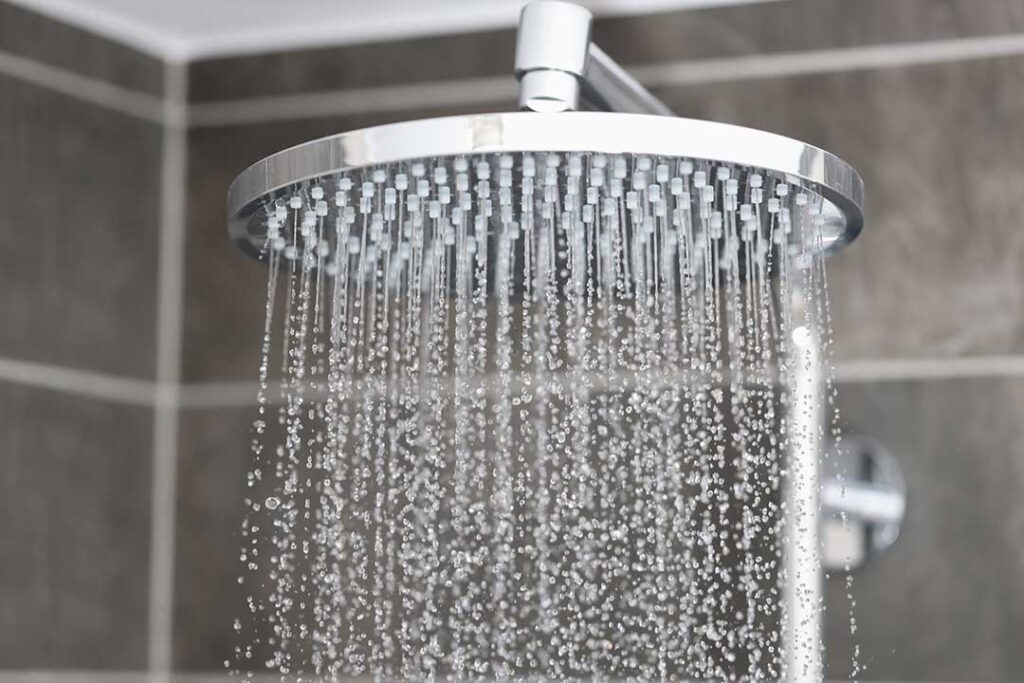
Simple daily routines contribute more to water use than many people realize. The average area household uses most of its water indoors, especially in bathrooms, kitchens, and laundry rooms. Showers, laundry cycles, toilet flushes, and dishwashing are the primary drivers of monthly consumption. In the moderate climate of Archdale, outdoor watering is less extreme than in hotter or more arid regions, but irrigation for landscaping in summer can still show up on utility bills.
A few habit adjustments can reliably bring down usage:
- Take shorter showers—cutting just 2 minutes per shower can save hundreds of gallons each month for a family.
- Run dishwashers and washing machines only with full loads.
- Turn off the tap while brushing teeth or shaving.
- Check for seasonal leaks, especially after freezes or heavy rain.
These shifts may seem minor but, added up across a billing cycle, make a notable difference for many local families.
How Do Small Plumbing Leaks Affect Water Costs?
Even the smallest leaks, such as dripping faucets or a constantly running toilet, can account for significant loss. Many residents are surprised by just how much water—and money—is lost this way over time. For example:
- A faucet dripping once per second can waste over 3,000 gallons a year.
- A running toilet might use hundreds of gallons a day, depending on the issue.
Most leaks are silent or hidden. Hidden pipe leaks can also create moisture issues in crawl spaces or walls, which are common construction features in older homes around Archdale. Taking the time to listen for fixture noises when the house is quiet, or checking water meter movement when all taps are off, can reveal unseen leaks.
Promptly fixing leaks with standard tools—or at least turning off water supply to a problem fixture—tends to pay off quickly on the next water bill.
Are Older Fixtures Increasing Water Use?
Fixtures installed decades ago often use more water than modern versions. In many homes throughout the community, older toilets, showerheads, and faucets are still in service.
- Toilets manufactured before the early 1990s typically use 3.5 to 7 gallons per flush, versus 1.6 gallons (or less) for newer, efficient models.
- Older showerheads may use over 5 gallons per minute. Current models regulated by national standards use only 2 gallons per minute or less, still providing comfortable pressure.
If replacement isn’t possible, some simple steps can help:
- Place a filled plastic bottle or purpose-built displacement bag in the toilet tank (away from mechanisms) to reduce water per flush.
- Install inexpensive aerators on older faucets to lessen flow without losing effectiveness for handwashing or cleaning.
Over time, these minor changes can contribute to ongoing savings.
Do Outdoor Habits Make a Difference in Archdale?
Outdoor water use in the city varies with seasons, but even moderate watering adds up. Lawns and gardens typically need less water than most people assume, especially during spring and fall.
To use less without sacrificing curb appeal:
- Water lawns in the early morning or evening to cut down on evaporation.
- Adjust sprinklers to target only grass or plant beds, avoiding sidewalks or driveways.
- Choose hardy, drought-resistant plants better suited to the local climate—many ornamental grasses, perennials, and shrubs thrive with natural rainfall.
- Collect roof runoff with a rain barrel for garden use.
Mulching around plant bases helps retain soil moisture, another locally effective habit that supports both plant health and water savings.
How Can Homeowners Monitor and Manage Their Usage?
Most residential water meters in Archdale show real-time usage and can be checked manually. Residents can use this to identify unusual spikes or trends:
- Turn off all taps and appliances, then read the meter—if the reading continues to change, a leak may be present.
- Compare monthly usage figures and review high consumption periods (for example, during summer irrigation or when guests visit).
- Keep personal logs or use phone reminders to track progress after making changes.
Local utility bills usually provide a breakdown of usage and projected costs, giving a reliable starting point for tracking improvement.
What Are Some Overlooked Ways to Use Less Water?
In addition to the frequently mentioned tips, some less obvious practices can reduce waste:
- Keep a pitcher of drinking water in the fridge rather than running the tap until cold—saves both water and time.
- Rinse vegetables in a bowl rather than under an open tap, and reuse the rinse water for watering houseplants.
- When waiting for hot water at the sink or shower, collect the first flow in a container for other uses (such as filling the mop bucket).
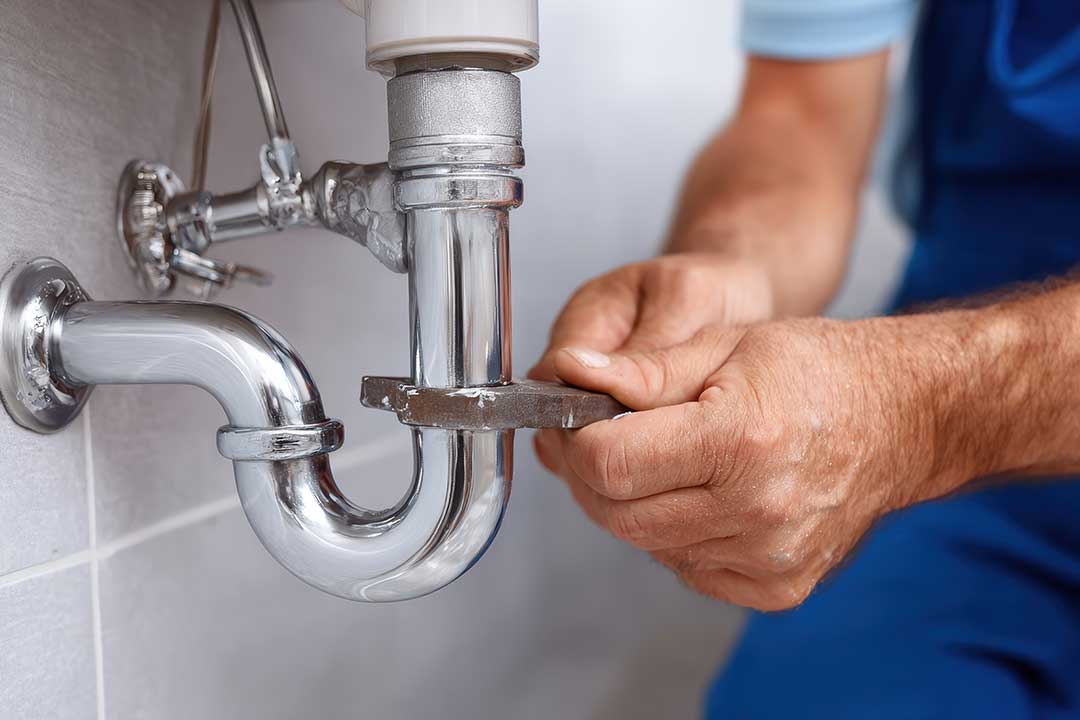
Checking supply line fittings under sinks and behind appliances annually, especially before and after cold weather, can catch minor issues before they become costly.
Can Local Regulations or Seasonal Factors Influence Bills?
Archdale’s municipal water infrastructure is well maintained, but service lines and internal pipes are the homeowner's responsibility. Seasonal changes—especially late winter freezes—can cause small cracks or leaks, sometimes only noticed when bills rise unexpectedly. Utility notices sometimes alert residents to system-wide flushing or maintenance, which does not usually affect household usage but is useful information to check if bills fluctuate seasonally.
Area code enforcement for plumbing generally requires leak repairs in a timely way, both for safety and conservation, but does not mandate replacement of older fixtures. Still, voluntary upgrades pay off over time in reduced costs.
Regular awareness and a little attention to routine plumbing care help community households keep bills manageable and ensure the local supply serves everyone well.