


Are Chemical Drain Cleaners Safe to Use?
Chemical drain cleaners are widely available and promise fast results, but their safety and suitability for homes in Archdale, NC is not always straightforward. While they may temporarily clear some clogs, concerns about risks to plumbing systems, household health, and the environment are important to consider.
How Do Chemical Drain Cleaners Work?
These products use caustic or acidic chemicals to break down organic blockages such as hair, grease, and food waste that may cause slow drains or stoppages. Most are poured directly into the affected drain, where they react with the clog. This reaction can generate heat and, in some cases, release fumes.
What Are the Potential Risks to Plumbing?
Many homes in the city have older plumbing, featuring metal pipes or PVC. Chemical drain cleaners can damage both types of materials:
- *PVC pipes*: Chemical reactions may soften or warp plastic, especially if used repeatedly.
- *Metal pipes*: Caustic cleaners can corrode metal and accelerate pipe deterioration over time.
- *Pipe connections*: The intense heat some formulations produce can weaken joints and cause leaks.
For residents in established neighborhoods with aging infrastructure, even a few uses can increase the risk of cracks, leaks, or early pipe failure.
Do Chemical Drain Cleaners Impact Personal and Indoor Air Safety?
Using chemical drain cleaners can affect household safety. The active ingredients often release strong fumes, including chlorine or other volatile gases. These can linger in kitchens or bathrooms—even with ventilation—and may irritate eyes, throat, and lungs.
For households with young children, pets, or family members with asthma or respiratory sensitivity, exposure can be uncomfortable or unsafe. Splashing during use is also a concern, so protective gloves and eyewear are recommended if handling these products.
Are There Environmental Concerns with Chemical Cleaners?
These products do not always fully break down after use. Some chemicals may persist in wastewater or enter local stormwater systems. In regions with a mix of municipal and private septic systems, like many parts of the area, this can introduce caustic agents to soil and groundwater.
Even after clearing a clog, residual chemicals can remain in the household plumbing and eventually make their way out through drains, which has a cumulative environmental impact.
Can Frequent Use Lead to Clog Recurrence?
Chemical cleaners tend to work only on soft, organic clogs near the drain opening. In actual household plumbing, clogs often form farther down the pipe or may be caused by buildup of soap scum, foreign objects, or mineral scaling—things these cleaners can’t fully resolve.
This means that clogs may return after a short while, because the underlying cause remains. Repeated applications will not address root problems and could aggravate pipe damage, leading to more severe blockages or leaks.
Are There Safer Alternatives That Work?
For many households in Archdale, non-chemical methods often provide more reliable and long-term results. Examples include:
- *Plungers*: Effective for toilets and sinks when used correctly.
- *Drain snakes or augers*: Useful for removing hair and debris from showers, tubs, and bathroom sinks.
- *Enzyme-based cleaners*: These use natural bacteria to digest organic material without the harsh effects of chemicals.
- *Prevention*: Regularly removing hair catchers and limiting grease disposal in kitchen sinks helps prevent the need for aggressive cleaning.
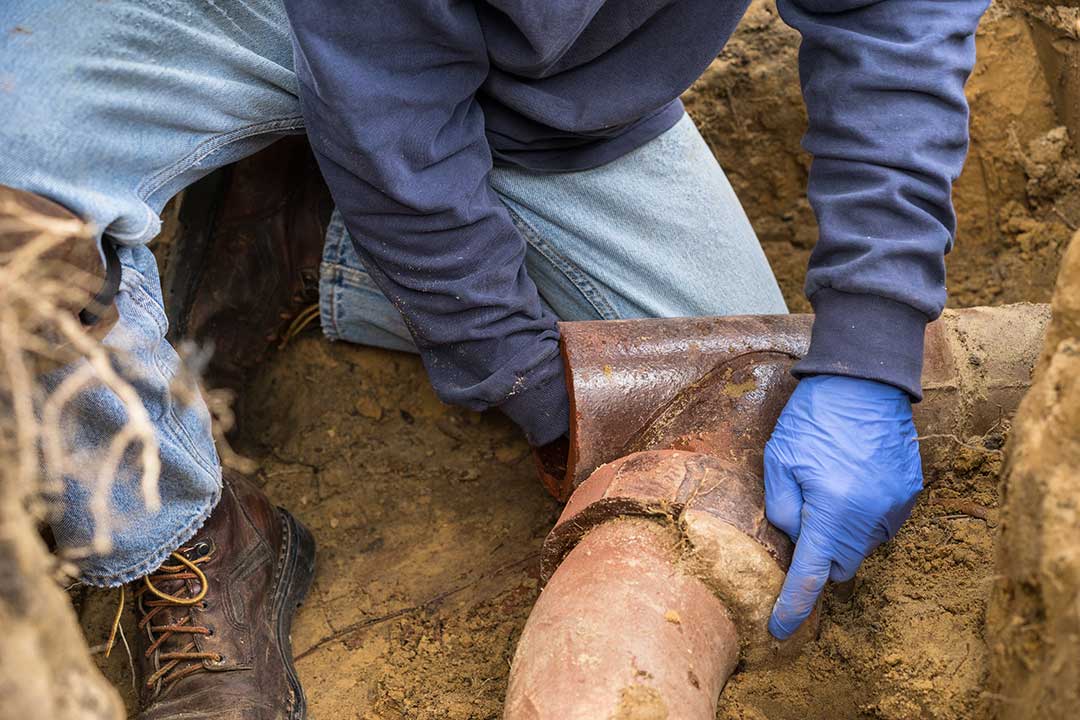
For persistent, deep, or recurring clogs, more specialized mechanical methods may be needed.
Does Local Water Quality or Plumbing Style Matter?
Archdale’s combination of municipal, well, and mixed piping systems means homes may experience issues related to mineral buildup unique to the region’s water supply. Hard water and high mineral content can make certain blockages more resilient, and chemical cleaners generally have little effect on mineral scale.
Older housing stock in the city is also more likely to feature original plumbing materials that have already experienced decades of use, making them more sensitive to the corrosive action of caustics.
When Should a Homeowner Avoid Chemical Cleaners Altogether?
It’s best to skip chemical drain products if:
- The pipes are known to be old, corroded, or previously repaired
- The property uses a septic tank (chemicals can disrupt essential bacteria in septic systems)
- The clog is completely blocking flow for more than a few hours, which indicates a possible pipe obstruction or break
- Strong, persistent odors or water backing up in multiple fixtures are present (signs of a larger issue)
In these cases, using chemicals not only risks household health and plumbing but can complicate any future repairs needed.
What Should Households Do Instead for Clogged Drains?
For minor slow drains, simple plungers or manual drain snakes are typically effective. For kitchen sinks, removing and cleaning the trap is often safer and more successful than any chemical pour. Monitoring what goes down drains—especially cooking oils, coffee grounds, and wipes that can’t break down—can prevent many problems.
When signs point to a more complex blockage or possible pipe deterioration, safe and informed troubleshooting steps help prevent bigger headaches for local homeowners.