

What Makes Tankless Water Heaters Different?
Tankless water heaters, often called “on-demand” systems, heat water as it’s needed rather than storing it in a tank. Instead of keeping 40 or 50 gallons hot around the clock, these units kick on when you turn on the tap, providing a continuous supply of hot water until you shut it off. Many residents in Archdale are considering these systems for their space-saving design and claims of energy savings, but it’s helpful to know both the strengths and potential drawbacks before making changes at home.
What Are the Main Benefits of Tankless Water Heaters?
Tankless water heaters save space, can be more energy-efficient, and usually last longer than traditional tank models. In the climate found around Archdale, where winters can be chilly but not severe, a tankless unit is less likely to struggle with freezing than it might in much colder northern areas. Here are some specific advantages that area households have mentioned:
- Endless Hot Water: Instead of running out during back-to-back showers, the system keeps heating as long as there’s demand (within output limits).
- Energy Bill Savings: Heating water only when needed means lower standby losses. This can translate to lower annual utility bills for some families, especially those who don’t use large amounts of hot water at once.
- Longer Lifespan: Many tankless units last about 20 years. That’s considerably longer than most standard water heaters.
- Space Efficiency: Wall-mounted units free up valuable closet or basement space, which can be a major plus in homes where square footage is limited.
- Less Risk of Tank Leaks: Since there’s no stored water, there’s less chance of catastrophic leaks or flooding related to tank failure.
Are There Downsides for Local Households?
Tankless water heaters aren’t perfect for every situation. Upfront costs, installation requirements, and performance issues at high demand can limit their practicality. Residents in Archdale report a few common drawbacks:
- Higher Installation Costs: While tankless units can pay off over time, the initial price (especially with a necessary electrical or gas line upgrade) can be steep.
- Flow Rate Limits: Most residential tankless models can only heat so much water at once. Running multiple showers and appliances simultaneously may cause a drop in temperature or flow.
- Delayed Hot Water: Since the water isn’t stored hot, it often takes a few extra seconds for the unit to detect demand and deliver hot water—noticeable for faucets far from the heater.
- Hard Water Issues: Water in the area can sometimes be mineral-heavy. Without proper maintenance, scale buildup can reduce efficiency and lifespan.
- Power/Energy Reliance: Electric tankless heaters won’t deliver hot water during a power outage. Gas units may also require electricity for ignition and controls.
How Do Energy Savings and Efficiency Work?
Tankless water heaters don’t keep water hot all day, which means homeowners avoid “standby losses” seen with tanks. In area homes with modest hot water needs—think singles, couples, or smaller families—this can add up to noticeable savings over a year. However, if the system is frequently pushed to its maximum output due to a larger household or simultaneous showers, the efficiency advantage is smaller.
Seasonal temperature swings in Archdale mean incoming water is cooler during winter, so the heater will work slightly harder (and use more energy) than in milder months, but most modern models are designed to handle common North Carolina temperature ranges.
What About Installation Challenges or Requirements?
Switching from a standard tank to a tankless system isn’t always simple. Depending on a home’s existing setup and the chosen heater’s fuel type, several upgrades may be needed. These include:
- Gas Lines and Vents: Gas units often need a larger gas line and properly vented exhaust. This can be an issue for older or tightly packed homes.
- Electrical Capacity: Electric models may require circuit upgrades or panels with enough capacity, especially in older houses with limited wiring.
- Wall Space/Location: While they’re smaller, tankless units still need access for service and space to hang securely—important if mechanical rooms are cramped.
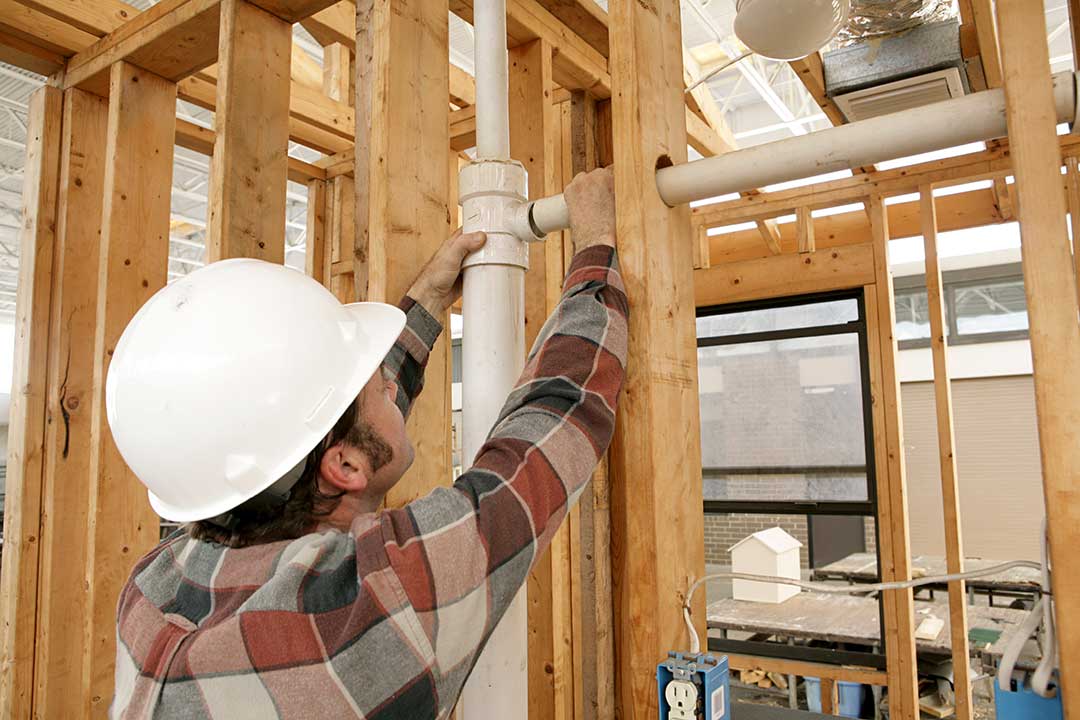
Homes in established Archdale neighborhoods, where many were built before tankless units became popular, often require these adjustments and may see higher installation costs as a result.
Do Tankless Water Heaters Meet Typical Local Hot Water Demands?
For individual bathrooms or households with staggered water use, tankless systems perform well. Larger households, or those with schedules that mean multiple appliances and showers run at once, may notice limitations. Busy mornings with teenagers, laundry, and dishwashing can push a single tankless unit to its output limits. Some residents address this by installing multiple units or a hybrid system.
Understanding habits—such as whether everyone showers before school or work—can help gauge if a single unit is practical or if workaround solutions are needed.
Are Maintenance Needs Different Than Traditional Water Heaters?
Tankless units generally demand less day-to-day attention. However, because water quality and mineral content vary around Archdale, periodic flushing is necessary to manage scale. Ignoring this can shorten the unit’s life and cripple efficiency. Most manufacturers recommend annual or semi-annual maintenance, which may be unfamiliar if you’re used to a tank system with minimal care.
What Are Some Common Misconceptions?
Several myths circulate about tankless systems. Clearing them up helps with realistic expectations:
- Instant Hot Water: Tankless means hot water on demand, but not always instantly at the tap—time to the faucet depends on pipe length and layout.
- Unlimited Output: "Endless" doesn’t mean infinite at all fixtures. Output is capped by the unit's maximum flow rate, so heavy multi-point use can cause drops.
- Low Maintenance: While not as prone to leaks, tankless water heaters still need regular descaling, especially in homes with mineral-rich water.
How Should Households Decide?
Making the switch involves weighing upfront cost, installation challenges, water usage patterns, and the value placed on space and efficiency. For local homes where hot water needs are moderate and installation requirements can be met without major remodeling, tankless units are a practical, space-saving option. In larger households or those used to running several appliances at once, reviewing potential bottlenecks in hot water delivery is wise. Factoring in local water hardness, climate, and the home’s plumbing layout can help residents make a confident, informed decision before investing in new water heating technology.