

What Are Common Signs That Plumbing Help Is Needed?
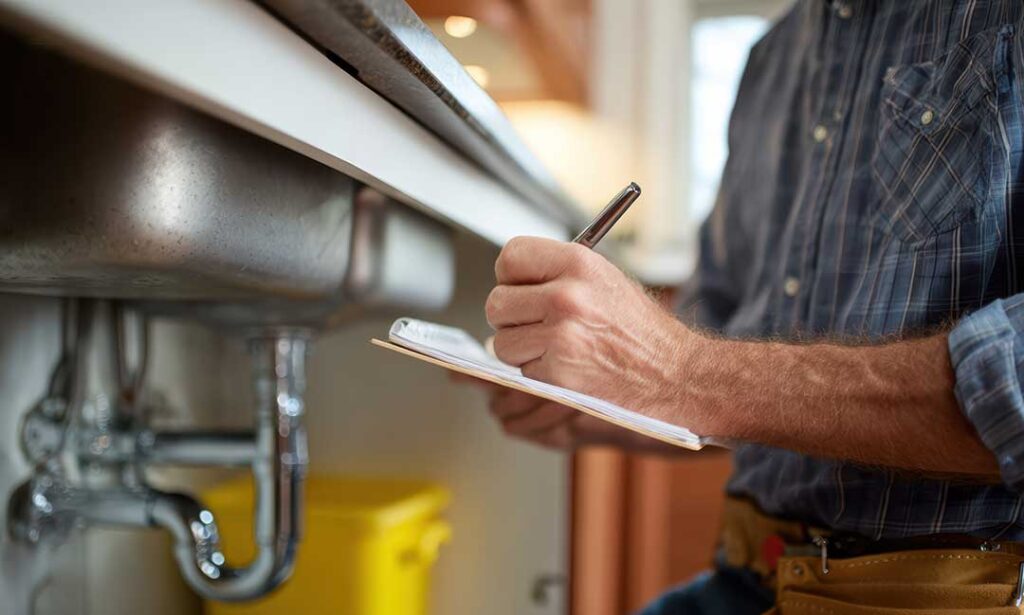
Unusual sounds, persistent leaks, or visible water stains often signal plumbing issues that may require expert intervention. In the community, homeowners regularly encounter minor plumbing concerns, but certain warning signs should not be ignored.
Some everyday signals that point to deeper problems include:
- Persistent dripping from fixtures despite normal tightening
- Water stains appearing on walls or ceilings, especially after heavy downpours or freeze-thaw cycles
- Slow drainage in sinks, tubs, or showers, which may suggest more than just hair or soap residue
- Unusual gurgling or bubbling noises coming from pipes
- Repeated toilet clogs not resolved with basic steps
These symptoms are particularly important to notice during periods of heavy rainfall, hard freezes, or after significant construction in Archdale’s neighborhoods, which can disturb older, sensitive piping infrastructure.
When Can You Fix It Yourself—and When Should You Not?
Simple clogs and minor repairs can sometimes be managed by residents with the right tools and a careful approach. For example, clearing obvious debris from a clogged drain or tightening a leaking faucet handle are tasks many can safely attempt.
However, it is time to seek an expert if:
- There's water pooling and you cannot locate the source
- Fixtures have lost water pressure suddenly and throughout the home
- Pipes make persistent banging or whistling noises
- Sewer odors are noticeable indoors or near outdoor drains
Some plumbing systems in Archdale-area houses are older and may be more susceptible to unexpected complications, like cracked pipes hidden behind walls. Attempting complex repairs without experience can lead to further damage or code violations.
Are Sudden Changes in Water Quality a Warning Sign?
Discoloration, odor, or taste changes in household water are clear signals to investigate further. Brown, yellow, or cloudy water can be caused by mineral buildup, pipe corrosion, or local utility maintenance—but it also might indicate serious pipe degradation or contamination.
Key things to watch for:
- Rusty or dark water after turning on taps, especially after outages or work on nearby water lines
- Persistent metallic, musty, or rotten egg smells
- A gritty or sandy texture present in running water
If water quality suddenly changes and simple flushing does not resolve the problem, it is safest to avoid consumption and investigate the cause. Area homes that rely on well water may also want to check for sediment buildup or failing filtration systems.
What If Plumbing Issues Occur After a Storm or Freeze?
Severe weather can cause conditions that demand prompt, knowledgeable attention. In the colder months, pipes in crawl spaces or exterior walls are vulnerable to freezing and bursting, particularly in older homes or those with limited insulation.
Signals that winter or storm damage has occurred:
- No water flow from taps on cold mornings, possibly meaning frozen pipes
- Damp areas or soft spots on floors after heavy rain, suggesting leaks
- Sump pumps running continuously or not turning on when needed
- Water visible in basements or crawls spaces after a storm
Local building codes and insurance policies sometimes require documentation of repairs for damages after major weather events. Acting quickly also reduces the risk of additional structural deterioration or mold growth.
What Subtle Issues Can Lead to Larger Problems?
Not all plumbing concerns present immediate, dramatic symptoms. Small but consistent issues, like slightly damp cabinets or faint mildew smells, can be early indicators of hidden leaks or ventilation problems.
Examples where vigilance pays off:
- A slow, small drip under a sink, especially in cabinets that are rarely opened
- Low but steady drops in water pressure over weeks or months
- Small patches of mold or blistered paint near plumbing fixtures
- Sounds of water running inside walls with no visible reason
Routine attention to these signs helps area homeowners avoid emergency repairs and maintain healthy indoor environments, particularly in older housing stock or after renovations.
Which Problems Should Never Wait?
Certain situations always merit immediate attention and careful handling due to health, safety, or property risks:
- Sewage backup in sinks, toilets, or floor drains—prompt response prevents exposure to harmful bacteria and costly damage
- Large volumes of water escaping indoors through broken pipes, as common in winter freezes or accidental punctures
- Gas water heater leaks, which can pose fire and exposure hazards
- Any evidence of electrical outlets or wiring affected by leaking water
Local plumbing regulations require some repairs to be performed to code, and area infrastructure demands that serious risks are addressed decisively.