

What Is a Plumbing Vent, and What Does It Do?
A plumbing vent is an essential part of every home's drainage system, but it often goes unnoticed unless there’s a problem. Plumbing vents, sometimes called vent stacks or air vents, regulate air pressure in your drains and help wastewater flow smoothly to the sewer. Without these vents, drains would gurgle, empty slowly, or even let sewer gases into your living spaces.
In practical terms, the vent allows air to enter the plumbing system. This equalizes the pressure so that water and waste can move freely through pipes, preventing vacuums or airlocks that could stop up fixtures like sinks, toilets, and tubs.
Why Should Area Homeowners Care About Plumbing Vents?
Healthy plumbing vents prevent common household problems such as foul odors, gurgling sounds, and backed-up drains. For local residents, poor venting can sometimes be confused with blockages or even foundation issues, but the underlying trouble can often be traced back to the venting system.
Archdale homes, especially older structures or those with retrofitted bathrooms, may have vent systems that don't fully meet modern code. Since many homes have been remodeled or expanded over the years, it’s not uncommon for vent lines to be undersized, improperly routed, or even missing altogether in certain additions. This can lead to slow drains or mysterious smells, especially during seasonal shifts and heavy rainfall.
How Can Residents Spot Trouble with Their Plumbing Vents?
Homes give clues when venting is inadequate or obstructed. Recognizing early signs helps residents address minor issues before they become serious problems.
Look and listen for:
- Persistent gurgling from drains when sinks, tubs, or toilets are used
- Slow-draining fixtures even after clearing the trap
- Unexplained foul odors, especially after rain or in humid weather
- Water pooling around roof vent pipes or visible debris clogging vent exits
Wind-driven rain and falling leaves are common in Archdale, which means seasonal checks for vent blockages—especially on or near the roof—are worthwhile. During pollen-heavy months or following storms, outdoor vent stacks can easily become obstructed with natural debris.
Do Plumbing Vents Always Go Through the Roof?
Most traditional vent systems run vertically through the roof, allowing sewer gases to disperse safely above living areas. However, there are alternatives used in specific circumstances, especially in homes where roof penetration is difficult or where local code permits.
Examples include:
- Air admittance valves (AAVs): Mechanical devices that allow air in but prevent gases from escaping. These are typically used for islands or remote fixtures and require specific approvals.
- Re-routing vents: Sometimes, in renovations, vents are run out a side wall or combined between bathrooms. Jurisdictional building codes and climate factors—like freezing temperatures in winter—impact which solutions are allowed.
In Archdale, most single-family homes use the classic roof vent design. Flat roofs or additions may use specialized rooftop venting systems approved for local weather resistance.
What Problems Can Happen if Vents Are Blocked or Missing?
A blocked or missing vent leads to several household headaches, all rooted in poor airflow throughout the drainage system. When water travels down a drain, it pushes air ahead and creates a vacuum behind. Without a vent, water traps can empty out, letting sewer gases indoors, and drains may back up or slowly empty as a result.
Common problems include:
- Sewer smells in kitchens, bathrooms, or laundry rooms
- Siphoning of water from toilet bowls after flushing
- Gurgling or bubbling noises from nearby fixtures
- Traps drying out, especially during periods of infrequent use

For homes on well water or septic systems, venting problems can also make it more difficult to diagnose issues with drains versus supply, as symptoms may overlap. In freeze-prone seasons, a blocked vent can contribute to slower drainage, as airflow is even more restricted.
Are There Local Regulations Affecting Plumbing Vents?
Plumbing venting in Archdale follows the North Carolina Residential Code, which largely aligns with national standards. Key requirements include the minimum pipe size, proper distance between traps and vents, and proper termination height above the roofline to prevent snow, rain, and animal entry. In colder months, vent stack exits should extend high enough above potential snow or leaf buildup.
Renovations and new construction must usually include permitted inspection to ensure venting is adequate. Although DIY repairs on existing systems are not uncommon, any changes to vent piping should be planned with local codes in mind, particularly when adding bathrooms, kitchens, or laundry rooms.
What Maintenance Should Local Residents Consider?
Regular inspection and simple maintenance can prevent most issues associated with plumbing vents in Archdale’s climate. Once or twice a year, it’s wise to visually inspect any accessible outdoor vent stacks for signs of:
- Leaves, twigs, or bird nests obstructing pipe openings
- Water stains or ice buildup in winter
- Vent pipes that have become detached or shifted due to wind
Inside the home, if gurgling noises or sewer smells appear, checking for dry traps (by running water in seldom-used fixtures) or confirming airflow by listening at the vent during toilet flushes can help identify potential problems. In areas where pollen or tree debris is significant, a basic cap or mesh guard (ensuring compliance with local code) can protect vents from clogging without affecting function.
Can Residents Check or Clear Plumbing Vents Themselves?
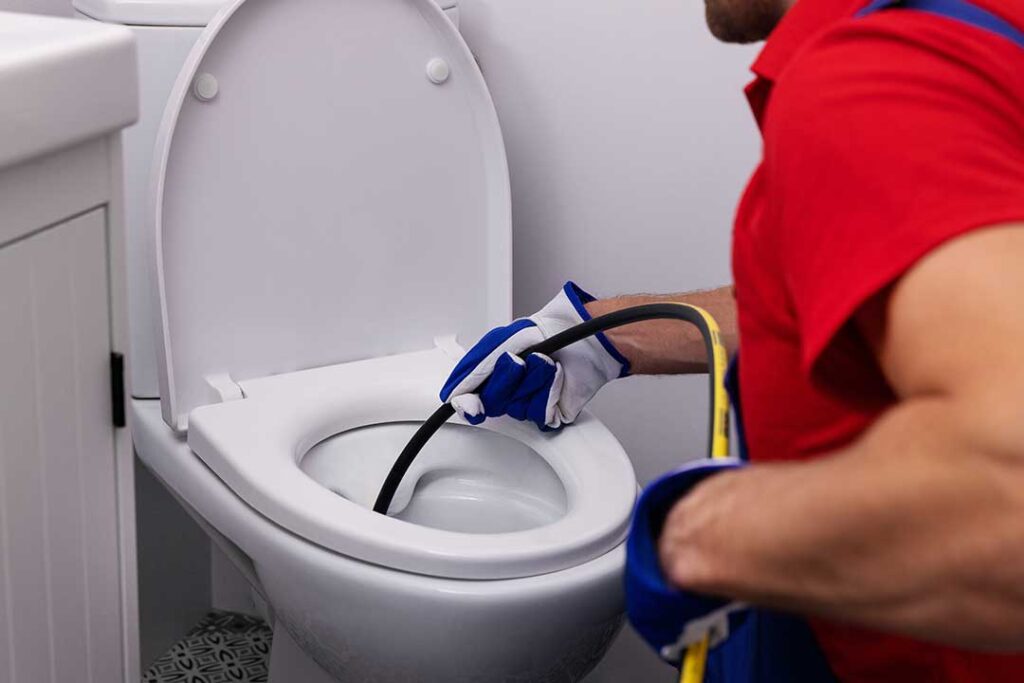
Surface vent maintenance—such as removing leaves from the roofline or ensuring the vent cap is clear—can be handled by most residents comfortable working on a ladder. Avoid pushing debris into the vent stack. Instead, remove large blockages by hand and use a mirror, flashlight, or plumber’s snake if necessary. For multi-story homes or when the problem lies deeper inside the vent piping, professional help may be needed to avoid damaging the system or causing leaks in the roof.
Any work involving roof access should be done with caution and proper safety equipment, especially during wet, icy, or windy conditions.