

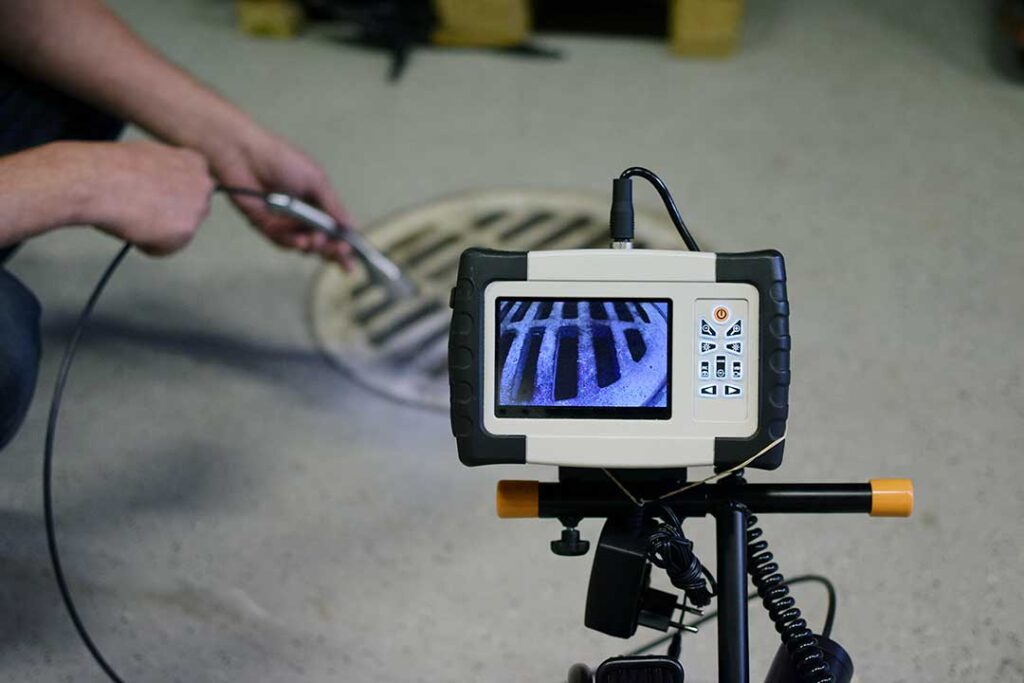
Lead in drinking water usually comes from household plumbing, service lines, faucets, or solder—not from the water itself at its source. The only dependable way to know whether lead is present at a particular tap is to collect a properly handled sample and send it to a laboratory certified to test drinking water.
Archdale’s public water information explains that the water system conducts required monitoring, while plumbing materials inside individual properties can vary. That distinction matters: a utility water-quality report describes system-wide conditions, but it cannot always predict what is happening at every home faucet. ([archdale-nc.gov](https://www.archdale-nc.gov/500/Lead-Copper-Rule-Revision-How-the-City-o?utm_source=openai))
Why should a household test for lead?
A home may be worth testing if it was built before 1986, has older plumbing, has undergone renovations, or has fixtures of unknown age. Lead can also be present in an older service line—the pipe connecting a property to the water main—or in brass fixtures and solder.
Homes built after 1986 are generally less likely to contain lead solder because lead solder was restricted for new drinking-water plumbing at that time. However, newer homes can still have fixtures or components that contribute small amounts of lead, so age alone does not prove that a home is free of lead.
Testing deserves extra attention if pregnant people, infants, young children, or anyone with a condition that increases sensitivity to lead lives in the home. Lead exposure can affect children’s development and learning, and there is no visual, taste, or odor test that reliably detects it.
Can a water-quality report confirm that a home’s tap water is safe?
Not by itself. A public water report provides useful information about water leaving the treatment and distribution system, but lead levels can change after water enters a property’s plumbing.
Archdale maintains annual drinking-water reports for residents. Reviewing the most recent report is a helpful first step, especially for understanding system monitoring and reported violations. It should not replace a properly collected sample from the faucet used for drinking or cooking. ([archdale-nc.gov](https://archdale-nc.gov/Archive/36?utm_source=openai))
How do you collect a lead water sample?
Follow the laboratory’s instructions exactly. Different testing programs may use different bottle sizes and collection procedures, and an improperly collected sample can produce misleading results.
For a typical first-draw household sample:
- Choose a cold-water kitchen or bathroom faucet used regularly for drinking.
- Do not use an outside spigot, hot-water tap, or a faucet connected to a water softener or point-of-use filter.
- Leave the faucet aerator in place unless the laboratory specifically instructs otherwise.
- Do not run water from that faucet for at least six hours before collecting the sample. Overnight is often convenient.
- Do not flush the line before the collection period ends.
- Use only the container supplied or approved by the certified laboratory.
- Open the container only when ready to collect the sample.
- Turn on the cold water and collect the first water that comes from the tap.
- Fill the bottle to the marked level without touching the inside of the bottle or cap.
- Secure the cap, complete the form, and return the sample according to the laboratory’s timing and shipping instructions.
EPA homeowner sampling instructions call for a cold-water tap that has been unused for at least six hours and emphasize not flushing the line beforehand. The purpose is to measure water that has been sitting against the home’s plumbing. ([epa.gov](https://www.epa.gov/system/files/documents/2024-12/lcr_sample-collection-instruction-form-for-homeowners.pdf?utm_source=openai))
If the concern is a lead service line rather than a single faucet, a laboratory or water-system sampling program may recommend additional flushed or sequential samples. Those samples answer a different question and should not be improvised with household containers.
Where can residents find a certified laboratory?
North Carolina drinking-water analyses must be performed by a laboratory certified by the North Carolina State Laboratory of Public Health. The state maintains listings of laboratories and their testing capabilities, but certification lists are not updated in real time. Verify that the laboratory is currently certified for lead in drinking water before mailing a sample. ([deq.nc.gov](https://www.deq.nc.gov/about/divisions/water-resources/drinking-water/drinking-water-laboratories?utm_source=openai))
A general home water test kit or an inexpensive strip may be useful for screening some water-quality characteristics, but it should not be treated as definitive proof that lead is absent. Lead can occur at low concentrations, and reliable analysis requires appropriate laboratory equipment, quality controls, and a documented sample-handling process.
How should test results be understood?
Laboratory results are commonly reported in parts per billion, abbreviated as ppb, or micrograms per liter, abbreviated as µg/L. For water, those units are numerically equivalent.
A result above zero does not automatically identify the source or establish how long exposure has occurred. Lead levels can vary from one faucet to another and from one day to the next. A result should be interpreted alongside:
- The sample type, such as first-draw or flushed
- The faucet tested
- The age and materials of the plumbing
- Whether a filter or treatment device was present
- Whether the sample was collected correctly
- Whether a second sample is needed
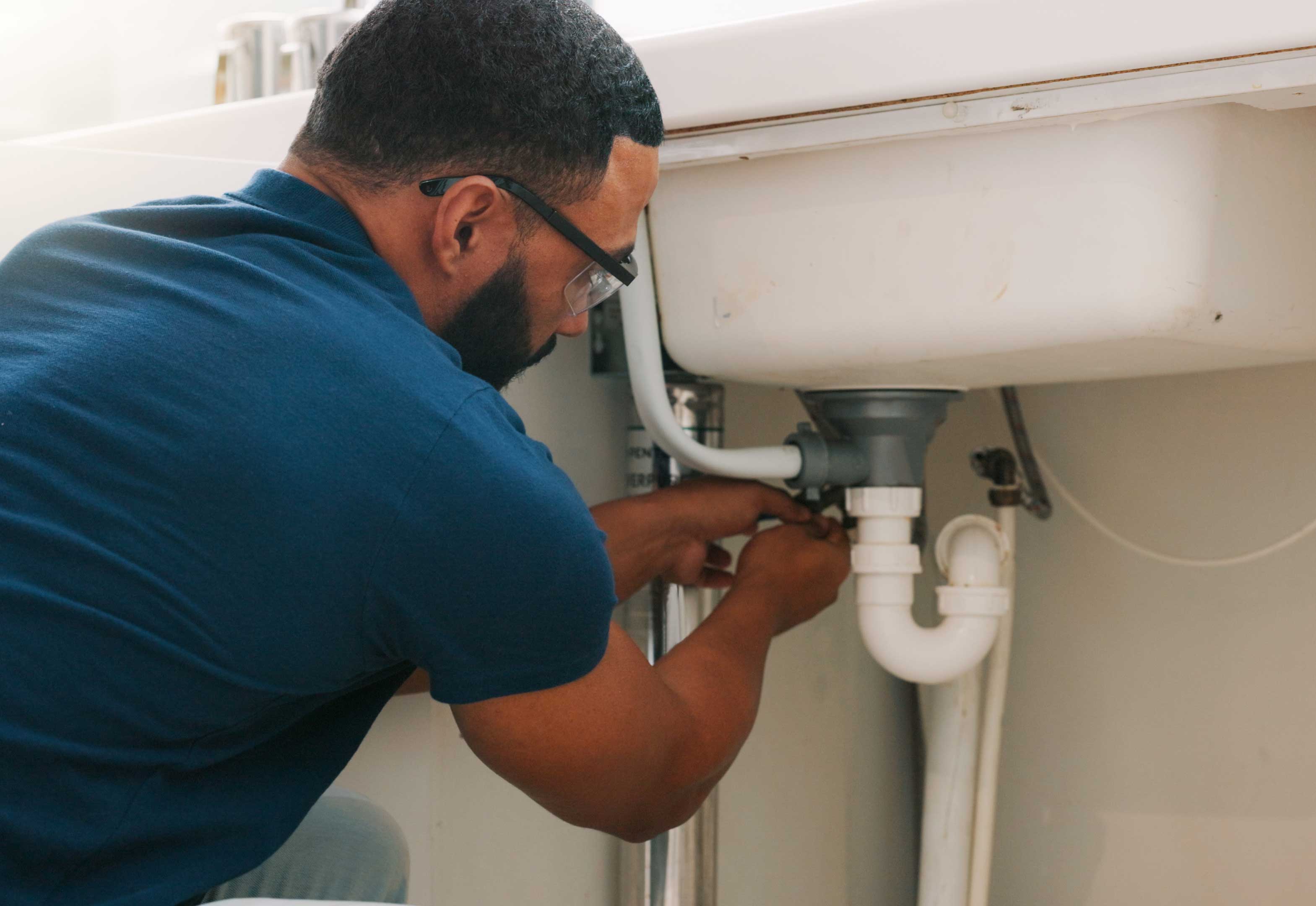
There is no universally “safe” level of lead exposure for children. If a result is elevated, avoid using that tap for drinking, cooking, baby formula, or brushing teeth until the situation is better understood. Use cold water from a source known to be reliable, and do not use hot tap water for consumption because heating can increase the concentration of metals that have accumulated in plumbing.
What can reduce exposure while waiting for results?
Flushing can reduce water that has been sitting in household plumbing. After several hours of nonuse, run the cold tap until the water becomes consistently cold; the appropriate time depends on the length and configuration of the plumbing. Archdale’s drinking-water information has advised flushing for approximately 30 seconds to two minutes after extended stagnation. ([archdale-nc.gov](https://www.archdale-nc.gov/ArchiveCenter/ViewFile/Item/65?utm_source=openai))
Other practical steps include:
- Use only cold tap water for drinking and cooking.
- Clean faucet aerators periodically because debris can collect there.
- Do not boil water to remove lead. Boiling kills many microorganisms but does not remove lead.
- Use a filter specifically certified for lead reduction, and replace cartridges on schedule.
- Do not rely on water appearance, taste, or odor to judge lead levels.
- Consider testing more than one drinking-water faucet if results differ or if plumbing has been remodeled.
What should happen after an elevated result?
Repeat testing with a certified laboratory before making major plumbing decisions, unless the laboratory or public health authority advises immediate action. Testing a second faucet can help determine whether the issue is limited to one fixture or is more widespread.
If the home is connected to the public water system, residents can ask the water provider whether service-line material information is available for the property and whether any local sampling guidance applies. North Carolina requires community water systems to develop inventories identifying potential lead in service-line connections, including customer-owned portions. ([deq.nc.gov](https://www.deq.nc.gov/about/divisions/water-resources/drinking-water/lead-service-line-inventory?utm_source=openai))
If a household uses a private well, the public water system’s reports do not describe that source. Well owners should arrange testing through a certified laboratory and consider a broader panel that may include bacteria, nitrate, and other locally relevant contaminants.
For households with children or pregnancy-related concerns, an elevated result should also be discussed with a healthcare professional or public health office. Water testing identifies a possible exposure source; it does not measure the amount of lead in a person’s body.