

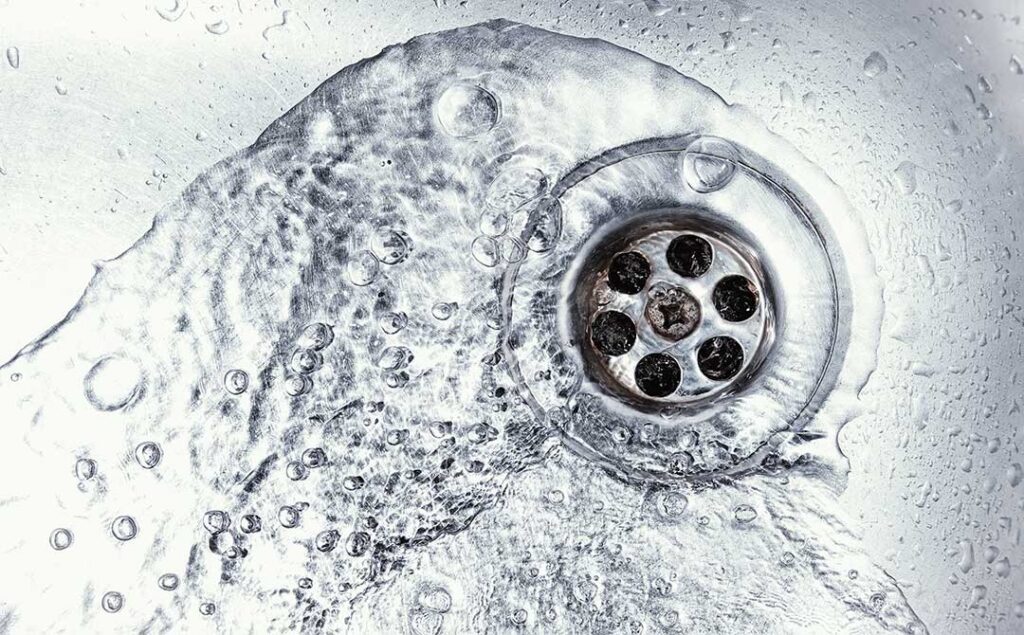
Why Do Drains Get Clogged in Area Homes?
Everyday activities—like rinsing dishes, washing hair, or cleaning up after meals—can leave behind debris in household drains. In Archdale, NC, many homes have a mix of newer and older plumbing, which means that certain materials, soil types, and the region’s tree roots can all play a role in how drains perform. Clogs most often occur when grease, food scraps, hair, or soap solidify and collect inside pipes, gradually restricting water flow.
Homes with mature trees nearby can also face unique issues in the area: fine tree roots often seek out moisture, sometimes invading small cracks or loose joints in outdoor drain lines. Understanding how blockages form helps residents prevent many of the most common headaches before they start.
What Belongs and Doesn’t Belong Down the Drain?
Most kitchen sinks, bathroom drains, and toilets are designed for water and very small, dissolvable waste. Anything else is likely to collect, clump, or cause trouble.
- Kitchen drains: Avoid pouring grease, oil, or fat, which cool and harden inside pipes. Eggshells, coffee grounds, and stringy vegetable scraps are also risky, as are pasta and rice, which can swell and become sticky.
- Bathroom drains: Human hair, dental floss, cotton swabs, and facial wipes are common culprits. Even products labeled “flushable” (such as wipes or cat litter) often fail to break down sufficiently in home plumbing.
- Toilets: Only human waste and toilet paper should be flushed. Facial tissue, paper towel, and personal hygiene products do not break down quickly and may contribute to obstructions, especially in older sewer lines.
Periodically educating all household members—including children—about what is safe to flush or wash down the drain can prevent unpleasant surprises.
How Often Should Drains Be Maintained?
Consistent, low-effort routines help keep drainage systems problem-free. In Archdale, periodic maintenance is easy to overlook, but a few monthly or seasonal habits can help prevent clogs:
- Monthly: Pour a full kettle of hot (not boiling) water down kitchen sinks to melt away oil or soap film.
- Seasonally: Clean drain stoppers and strainers in bathrooms and kitchens. Remove visible debris from tub and shower drains.
- After storms or leaf drop: Check outdoor drains and downspouts for debris, particularly in yards with large shade trees or pine needles, which are common in local neighborhoods.
Quick cleaning reduces buildups and can extend the life of pipes.
Are Chemical Drain Cleaners Safe for Household Pipes?
While liquid or gel drain cleaners are widely available, they are seldom recommended for routine maintenance. Such products may offer a one-time fix, but they contain caustic ingredients that can harm older or PVC pipes and are risky for septic systems commonly found on the outskirts of Archdale. Overuse increases the chance of pipe corrosion or leaks.
A much safer solution is mixing baking soda and vinegar. Pour half a cup of baking soda followed by half a cup of vinegar down the drain; let sit for 10–15 minutes, then flush with hot water. This method helps break down some buildup without harsh effects on plumbing or the environment.
How Can Strainers and Stoppers Help?
A simple strainer or drain guard captures much of the debris that would otherwise work its way into the pipes. These tools are inexpensive and easy to install. Local residents often find them particularly useful in homes with young children or pets that may contribute hair, sand, or small toys to bath drains.
For best results:
- Clean strainers weekly, especially in heavily used sinks or tubs.
- Replace worn or cracked guards as needed to maintain a snug fit.
- For shower drains, use a mesh insert to catch long hair before it collects out of sight.
Stoppers should be removed and cleaned regularly; soap scum and hair can wrap around them, promoting slow drainage.
What Are Signs a Drain Is Starting to Clog?
Recognizing early warning signs can help area households address issues before a complete blockage occurs. Watch for the following symptoms:
- Water draining slower than usual
- Gurgling sounds coming from pipes
- Foul odors around sinks or tub drains
- Bubbles or backup in connected fixtures (like a toilet bubbling when you run the bathroom sink)
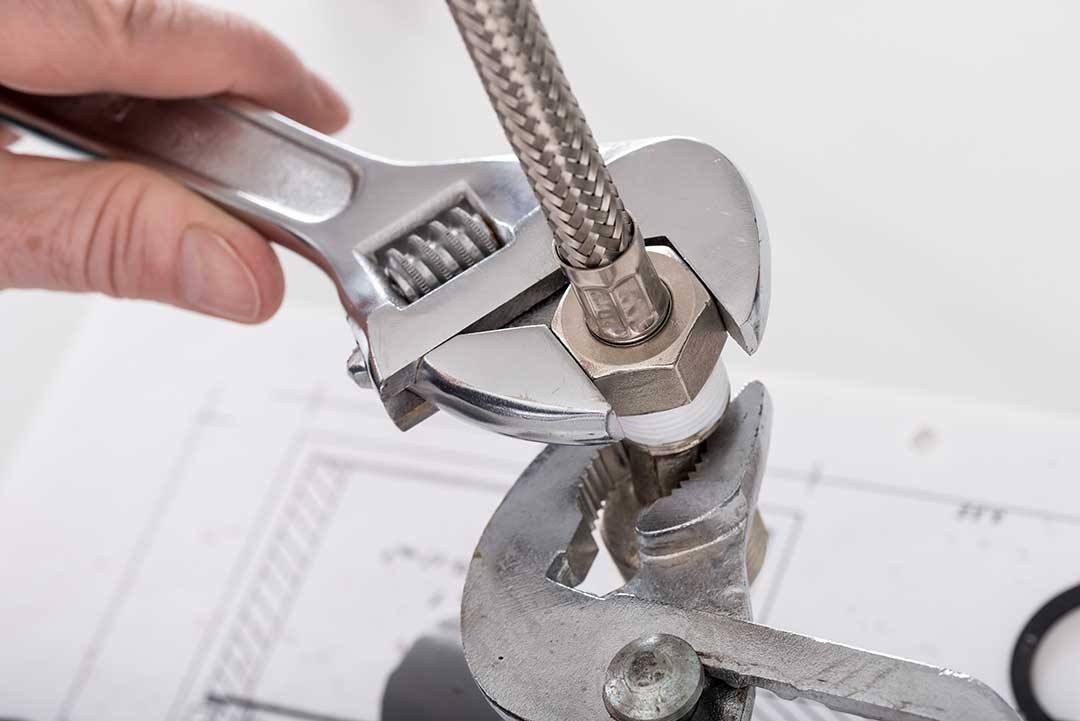
If these problems persist, it may be time to manually clear the drain using a plunger or inexpensive drain snake—available at hardware stores and easy to operate with basic safety precautions.
How Does Local Climate Impact Plumbing Maintenance?
In Archdale, weather shifts from humid summers to chilly winters. During the humid months, extra moisture often encourages more organic growth (like mold or mildew) inside or around drains, especially in older homes. During winter, pipes may contract, making any minor clogs or cracks more pronounced. Seasonal rainfall also increases pressure on street-side sewer systems, which occasionally leads to slowdowns in household drains. Keeping outdoor drains clear of leaves and yard waste is especially helpful during wet seasons.
Are There Easy DIY Tools for Clearing Early Clogs?
Most slow drains can be handled with basic household tools:
- A plunger works well for both sinks and toilets. For best results, fill the basin slightly with water so the plunger’s edge is submerged, then apply a firm, rapid pump.
- A plastic or metal “zip-it” drain snake can pull out compacted hair or debris from bath and shower drains.
- A wet/dry vacuum set to “liquid” can sometimes dislodge trapped material in sink drains, but be sure to seal overflow openings before using.
Never mix chemical drain cleaners with each other or with other home cleaning agents, as this can create hazardous fumes.
What Plumbing Habits Make the Biggest Difference?
A few regular habits used by area residents can keep things running smoothly:
- Scrape plates and bowls into the trash or compost bin before rinsing.
- Brush hair thoroughly before showering or bathing to reduce shedding in the tub.
- Run cold water while using the garbage disposal to flush particles (if applicable).
- Use only small amounts of biodegradable soap to reduce residue buildup.
- Schedule a single day per month for whole-home drain checks and maintenance.
Staying proactive with these simple steps is the most effective way to minimize unexpected clogs and keep home plumbing reliable throughout the year.