

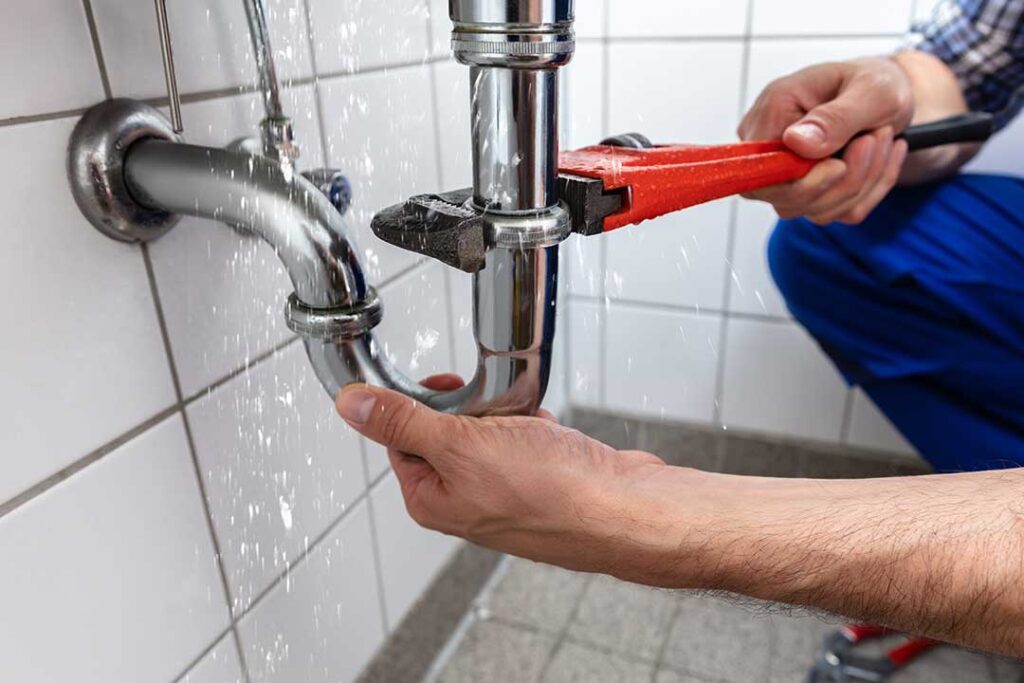
Older homes often develop plumbing problems gradually rather than all at once. Small leaks, slow drains, weak water pressure, and recurring clogs can signal aging materials or changes in how the household uses the plumbing system. In Archdale, NC, regular observation and basic maintenance can help residents find problems before they damage floors, walls, cabinets, or personal belongings.
Why do older homes have more plumbing issues?
Older homes may contain plumbing materials and layouts that are less tolerant of modern water use. A house built decades ago could have aging supply pipes, galvanized steel, cast iron drain lines, older shutoff valves, or original fixtures that have reached the end of their useful service life.
The plumbing system may also be serving more people, bathrooms, appliances, and water-consuming fixtures than the original design anticipated. A home that once had one bathroom and a small household may now support multiple occupants, frequent laundry, dishwashing, and larger water demands.
Age alone does not mean a plumbing system needs to be replaced. However, it does mean that leaks, corrosion, and restricted flow deserve attention instead of being treated as isolated inconveniences.
How can homeowners identify hidden leaks early?
The best protection against major water damage is finding small leaks before they become obvious. Check exposed plumbing under sinks, behind toilets, near water heaters, and around washing machine connections every few months.
Look for:
- Damp cabinet floors or swollen wood
- Green, white, or rust-colored buildup around fittings
- Water stains on ceilings or walls
- Musty odors near enclosed plumbing
- Peeling paint or soft flooring
- Toilets that move, rock, or refill without being used
- Sounds of running water when all fixtures are off
A water meter can also help reveal a hidden leak. Turn off faucets and water-using appliances, wait until no one is using water, and check whether the meter continues moving. A changing meter reading does not identify the leak’s location, but it suggests that water is escaping somewhere in the system.
Toilets deserve special attention because a worn flapper or fill valve can waste water silently. Adding a few drops of food coloring to the toilet tank and waiting about 15 minutes without flushing can show whether colored water enters the bowl. If it does, the tank may need a replacement part.
What maintenance helps prevent clogged drains?
Older drain lines are more likely to have rough interior surfaces, buildup, settled sections, or joints that collect debris. Preventing clogs starts with keeping inappropriate materials out of the drains.
Kitchen sinks should not receive cooking grease, oils, coffee grounds, eggshells, fibrous vegetable scraps, or large quantities of food waste. Grease may enter the drain as a liquid and harden farther along the pipe, where it can trap other debris.
Bathroom drains commonly collect hair, soap residue, and shaving products. Simple screens or strainers can catch much of this material before it enters the pipe. Clean the screens regularly rather than pushing the buildup through with water.
Chemical drain cleaners are not a routine maintenance solution. They may temporarily open a drain while leaving the underlying buildup in place, and repeated use can expose household members and plumbing components to corrosive chemicals. A slow drain that repeatedly returns may indicate a deeper restriction rather than a one-time clog.
How should older water supply pipes be monitored?
Aging supply pipes can develop corrosion, pinhole leaks, or mineral buildup that reduces water flow. Galvanized steel pipes, in particular, may gradually narrow internally as corrosion accumulates. Symptoms can include rusty water after the system has been unused, low pressure at several fixtures, or a noticeable difference between cold and hot water flow.
Do not assume that every pressure problem is caused by the municipal supply. If only one faucet has weak flow, the aerator or fixture valve may be blocked. If several fixtures are affected, the restriction may be closer to the main supply line or within the home’s older piping.
Avoid forcing old shutoff valves. A valve that has not moved for years may leak or fail when turned aggressively. Main shutoff locations should be identified in advance, but household members should also know which fixture valves control individual sinks, toilets, and appliances.
What should homeowners do before freezing weather?
Although extended freezing conditions are not common every winter, short cold periods can still damage exposed plumbing. Pipes in crawl spaces, exterior walls, garages, unheated additions, and poorly insulated areas are more vulnerable.
Before a forecasted freeze:
- Disconnect and drain outdoor hoses.
- Close interior valves serving outdoor faucets if available.
- Insulate exposed pipes, especially near vents or exterior walls.
- Keep cabinet doors open beneath sinks on very cold nights if pipes are located against exterior walls.
- Maintain safe indoor heat in rooms containing plumbing.
- Know where the main water shutoff is located.
If a pipe freezes, do not use an open flame to thaw it. A hair dryer or carefully controlled warm air may be appropriate for an accessible pipe, but stop if water begins spraying, the pipe is cracked, or the location is difficult to reach. A frozen pipe can split before the ice visibly melts.
How can water heaters be maintained safely?
Older water heaters should be checked for rust, moisture, unusual noises, and changes in hot-water supply. A small amount of condensation can occur under certain conditions, but persistent water around the tank may indicate a leak or failing connection.
The temperature-and-pressure relief valve is a safety component and should not be blocked, capped, or used as a routine drain. The discharge pipe should point downward and terminate in a safe location according to applicable requirements.
Sediment can collect inside a tank, especially where water contains dissolved minerals. It may cause rumbling or popping sounds and reduce heating efficiency. Flushing procedures vary by equipment condition and installation. On a very old tank, opening a drain valve can sometimes create a new leak if the valve or surrounding components are deteriorated, so caution is warranted.
What plumbing habits protect an older house?
Small household habits can reduce stress on aging pipes and fixtures. Do not use toilets as trash containers, and avoid flushing wipes, paper towels, cotton products, or hygiene items even when packaging claims they are flushable.
Keep heavy objects from hanging on exposed supply lines or drain piping under sinks. Do not use plumbing connections as storage supports. Replace cracked hoses serving washing machines, dishwashers, or ice makers before they fail.
It is also useful to record the locations of the main shutoff, water heater shutoff, individual fixture valves, and cleanouts. Labeling these points can save time during a leak, especially at night or when water is spreading quickly.
When does a recurring problem need closer evaluation?
A single slow drain may be a fixture issue, but repeated clogs, sewage odors, water backing up into another fixture, or multiple drains slowing at once can point to a larger drain-line problem. Likewise, repeated leaks in the same area may indicate pipe corrosion, movement, high pressure, or a failing connection rather than bad luck.
Water near electrical equipment, ceilings, walls, or flooring requires prompt action. Shut off water when it is safe to do so, avoid electrical hazards, and prevent household members from entering damaged areas until the situation is controlled. For older homes, accurate diagnosis matters because a quick surface repair may not address deteriorated piping behind the visible fixture.