

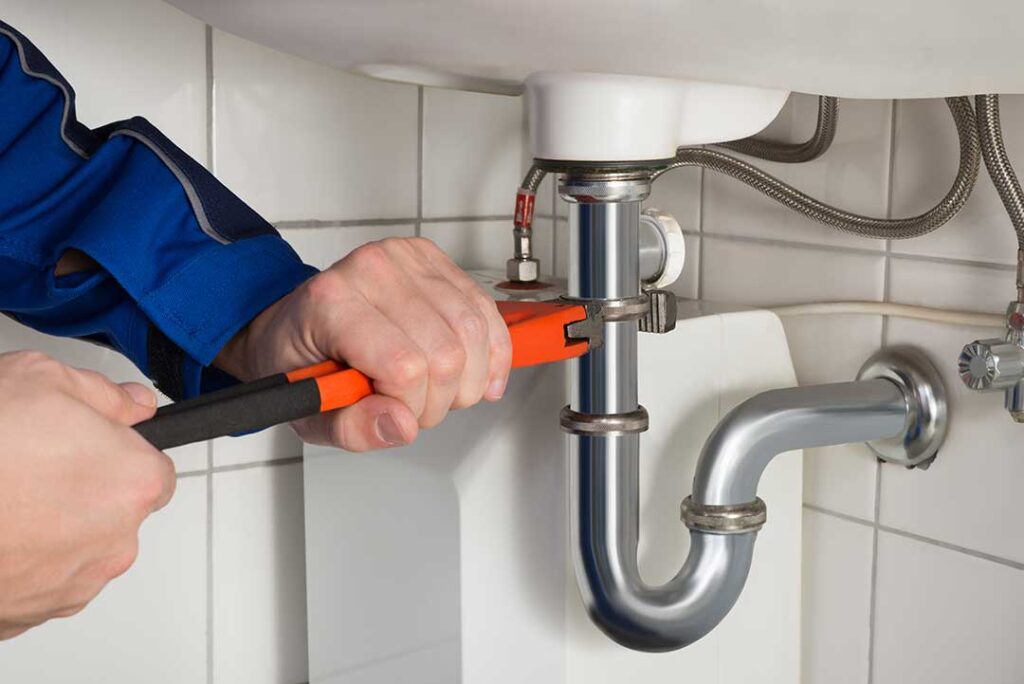
A sewage-like smell in a basement usually comes from a dry drain trap, a damaged sewer connection, a failing sump or ejector system, or a plumbing leak hidden below the floor or behind a wall. The odor may be mild at first, but it should not be ignored because sewer gas can signal a drainage problem and may contain irritating or hazardous gases.
What does a sewage smell in a basement usually mean?
A basement odor that resembles rotten eggs, sulfur, or wastewater often means sewer gas is entering the home through an opening in the drainage system. In many cases, the cause is simple: water that normally blocks gases from moving through a drain has evaporated.
Other causes are more involved. A cracked drainpipe, loose toilet seal, blocked vent, or malfunctioning sewage ejector basin can allow odors to escape into the basement. The location and timing of the smell can provide useful clues.
For example:
- An odor near a floor drain often points to a dry trap.
- A smell near a basement bathroom may involve the toilet seal, sink trap, or shower drain.
- Odors near a sump or ejector pit may indicate a missing cover, poor seal, or equipment problem.
- A smell that appears after heavy rain may be connected to drainage backups, groundwater pressure, or changes in the sewer system.
Could a dry floor drain be the cause?
Yes. A dry floor drain is one of the most common reasons for a sewage odor in a basement. Floor drains usually contain a curved section of pipe called a trap. The trap holds a small amount of water that blocks sewer gases from coming into the room.
If the drain is rarely used, the water can evaporate. Warm indoor air, low humidity, and extended periods without water flow can speed up evaporation. Seasonal changes may make this more noticeable in area homes, especially when a basement remains unused for weeks.
To test this possibility, slowly pour several cups of water into the suspected floor drain. A small amount of mineral oil added afterward can reduce evaporation, but it should not be used as a substitute for investigating recurring odors. If the smell returns quickly, the trap could be leaking, siphoning, obstructed, or improperly vented.
Never pour chemicals into a drain simply to mask the odor. Drain cleaners do not repair a failed trap and can create dangerous fumes or damage plumbing components.
Why can a basement bathroom smell like sewage?
A basement bathroom can develop an odor when any fixture loses its water seal or when wastewater is not leaving the building properly. Sinks, showers, tubs, and toilets each depend on working traps or seals.
A toilet may smell if the wax or rubber seal beneath its base has deteriorated. Signs may include:
- Odor concentrated around the toilet
- Dampness or staining near the base
- A toilet that rocks slightly when pressed
- Water appearing after flushing
- Gaps between the toilet base and finished flooring
A sink or shower drain may have a dry trap, buildup, or a venting problem. If several fixtures drain slowly or make bubbling sounds, the issue may be farther downstream in the drain line rather than limited to one fixture.
What if the smell is near a sump pump or sewage ejector?
Basements with below-grade bathrooms or laundry areas may use a sewage ejector basin to collect wastewater before pumping it to the main drain. Unlike a standard sump pit, this basin should be sealed with a properly fitted, gasketed cover and sealed pipe openings.
A sewage odor near the basin may result from:
- A loose or damaged cover
- Missing bolts or a deteriorated gasket
- Unsealed openings around pipes or wires
- A failed vent connection
- A pump that is not removing wastewater correctly
- A basin that is receiving more water than it can discharge
A sump pit can also smell if it contains stagnant water, organic debris, or a dirty basin. However, a sump pit should not normally be treated as a sewage container. If wastewater is entering a standard sump pit, the plumbing arrangement may require correction.
Keep children and pets away from open pits. Do not lean over a basin if the odor is strong, and do not operate electrical equipment in standing water.
Can heavy rain make the odor worse?
Heavy rain can expose drainage weaknesses that are not obvious during dry weather. Water may enter through foundation cracks, window wells, floor joints, or improperly directed downspouts. In some homes, saturated soil can also increase pressure around underground drainage piping.
After a major storm, a basement may smell like sewage because:
- A floor drain has backed up
- A private sewer line is partially blocked
- Groundwater has entered a drain or sump system
- A backwater valve is stuck or obstructed
- Sewer gases are being forced through a weak connection
- A septic system, where applicable, is overloaded or not draining correctly
A storm-related odor that disappears after conditions dry out may still indicate a vulnerability. Repeated episodes deserve attention because the next event could involve actual wastewater intrusion rather than odor alone.
How can a homeowner narrow down the source?
Start with observation rather than dismantling plumbing. Walk through the basement slowly and compare the odor near each drain, toilet, sump basin, utility sink, and pipe penetration.
Useful checks include:
- Look for standing water, damp flooring, staining, or bubbling paint.
- Pour water into rarely used drains and observe whether the smell changes.
- Flush basement toilets and run each faucet for several minutes.
- Listen for gurgling, slow drainage, or unusual pump cycling.
- Check whether the odor is stronger after laundry, showers, rainfall, or toilet flushing.
- Inspect visible pipe joints for moisture or residue.
- Keep a simple record of when the smell appears and what was happening beforehand.
Do not seal over a drain, pipe opening, or wall cavity just to hide the smell. Blocking an opening without finding the cause can trap moisture and make a leak harder to detect.
Is sewer gas dangerous?
Sewer gas can irritate the eyes, nose, and throat. Strong exposure may cause headache, dizziness, nausea, or breathing discomfort. The odor of rotten eggs is commonly associated with hydrogen sulfide, but smell is not a reliable safety test because people can become less able to detect an odor after exposure.
If the smell is intense or anyone feels unwell, leave the area and ventilate it only if doing so is safe. Avoid flames, cigarettes, sparks, and electrical switching near a concentrated odor. A persistent or strong smell, visible wastewater, or a suspected gas buildup requires prompt assessment by qualified plumbing or safety personnel.
When does the problem require urgent attention?
Immediate attention is warranted when sewage is backing up, a basement drain overflows, a toilet leaks wastewater, or the odor is accompanied by dizziness or breathing difficulty. The same applies if a sewage ejector pump fails or an electrical component is submerged.
A mild odor from a dry drain may be resolved with water, but recurring smells should not be treated as normal basement conditions. Persistent odors can point to a broken trap, blocked vent, leaking sewer pipe, failed seal, or drainage problem that may eventually damage floors, framing, insulation, or stored belongings.
In Archdale, basement conditions can vary with seasonal rainfall, household occupancy, and the age of the home’s drainage system. Identifying whether the smell follows rain, fixture use, or long periods of inactivity often provides the most useful first clue.